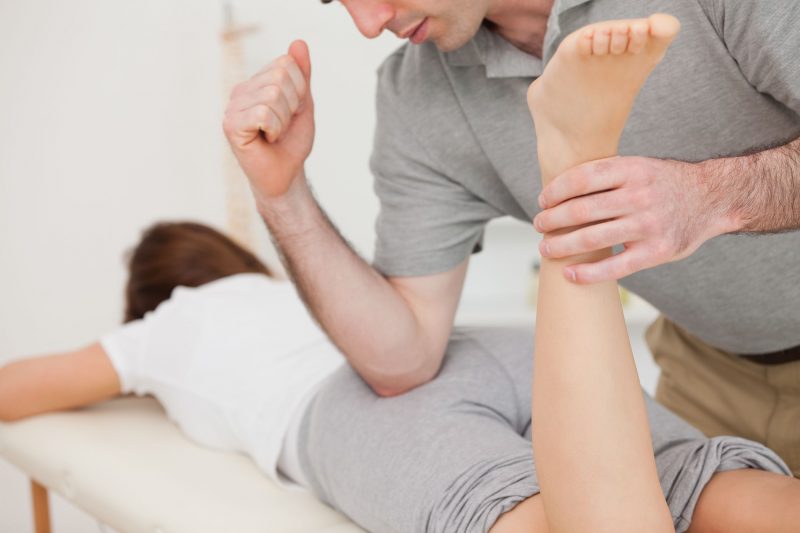





Lower back discomfort is not always caused by a problem in the spine itself. In many cases, the position and movement of the hips can significantly influence how the lower back functions, potentially contributing to ongoing pain, stiffness, and mobility limitations.
For individuals in San Diego, CA, understanding the relationship between hip alignment and spinal health can provide valuable insight into the underlying causes of persistent lower back discomfort. Because the hips and lower back work closely together during movement, dysfunction in one area often affects the other.
What Is Hip Alignment?
Hip alignment refers to the positioning of the hip joints, pelvis, and surrounding muscles during standing, walking, sitting, and other daily activities.
When the hips move efficiently and maintain proper balance, they help distribute forces evenly throughout the body. However, when alignment becomes compromised, additional stress may be transferred to the lower back.
Hip alignment is influenced by several factors, including:
- Muscle strength and flexibility
- Postural habits
- Previous injuries
- Occupational demands
- Physical activity levels
- Movement mechanics
Even minor imbalances can gradually affect spinal function over time.
How Do the Hips and Lower Back Work Together?
The hips and lower back form part of a connected kinetic chain that supports movement and stability.
During activities such as walking, bending, lifting, and climbing stairs, the hips help absorb force and generate movement. If hip mobility becomes restricted, the lower back may compensate by moving more than intended.
This compensation can increase stress on:
- Lumbar spinal joints
- Intervertebral discs
- Ligaments
- Muscles
- Tendons
Over time, excessive compensation may contribute to recurring discomfort and reduced mobility.
What Causes Hip Misalignment or Dysfunction?
Several factors may contribute to hip dysfunction and altered movement patterns.
Prolonged Sitting
Extended periods of sitting can lead to tight hip flexor muscles and reduced hip mobility. This is particularly common among office workers and remote employees.
Muscle Imbalances
Weakness in certain muscle groups and tightness in others can alter hip positioning and movement efficiency.
Previous Injuries
Past injuries involving the hips, pelvis, knees, or lower back may affect alignment and create long-term compensatory patterns.
Repetitive Movements
Occupations and activities that require repetitive bending, twisting, or lifting may gradually contribute to hip dysfunction.
Poor Posture
Postural habits influence how force is distributed throughout the hips and spine during daily activities.
What Symptoms May Indicate Hip-Related Lower Back Problems?
Hip dysfunction often presents with symptoms that appear to originate in the lower back.
Common signs include:
- Persistent lower back discomfort
- Stiffness after sitting
- Reduced hip mobility
- Pain during walking or standing
- Tightness in the buttocks or hips
- Discomfort during bending movements
- Uneven movement patterns
Because symptoms frequently overlap, it is important to evaluate both the hips and lower back when investigating chronic discomfort.
How Does Hip Alignment Affect the Lumbar Spine?
The pelvis serves as a bridge between the hips and the spine. Changes in pelvic positioning can directly affect spinal mechanics.
For example, tight hip flexors may contribute to an exaggerated arch in the lower back. Reduced hip mobility can force the lumbar spine to absorb additional movement during routine activities.
These compensations may increase stress on spinal structures and contribute to ongoing discomfort.
When evaluating lower back concerns, many healthcare professionals assess hip function as part of a comprehensive examination because of the close relationship between these areas.
Can Poor Hip Mobility Increase the Risk of Lower Back Pain?
Research continues to demonstrate the connection between limited hip mobility and lower back discomfort.
When the hips cannot move through their intended range of motion, nearby structures often compensate. The lower back commonly becomes one of those compensating areas.
Reduced hip mobility may contribute to:
- Increased spinal loading
- Altered gait mechanics
- Muscle overuse
- Joint irritation
- Movement inefficiencies
Addressing hip mobility may help improve overall movement patterns and reduce unnecessary stress on the lumbar spine.
How Can Chiropractic Therapy Address Movement Dysfunction?
Chiropractic therapy focuses on evaluating how the body’s joints, muscles, and movement systems function together.
When lower back discomfort is influenced by hip dysfunction, treatment may include assessment of:
- Hip mobility
- Pelvic alignment
- Spinal movement
- Postural habits
- Functional movement patterns
A back chiropractor may identify restrictions or movement compensations that contribute to excessive stress throughout the lower back.
For additional information regarding treatment options for lower back conditions, resources discussing chiropractic adjustment for lower back approaches can provide valuable educational insight.
What Lifestyle Factors Influence Hip and Lower Back Health?
Daily habits play a major role in maintaining healthy movement patterns.
Helpful strategies include:
Staying Physically Active
Regular movement helps support joint mobility and muscular balance.
Limiting Prolonged Sitting
Frequent position changes can reduce stress on both the hips and lower back.
Maintaining Flexibility
Stretching and mobility exercises may help improve joint function and movement efficiency.
Improving Posture
Proper posture during work, driving, and daily activities can reduce unnecessary mechanical stress.
Supporting Functional Movement
Learning proper lifting, bending, and exercise mechanics can help minimize strain throughout the body.
When Should Persistent Lower Back Discomfort Be Evaluated?
Occasional soreness is common, especially after physical activity. However, recurring symptoms should not be ignored.
Evaluation may be beneficial when symptoms include:
- Chronic lower back discomfort
- Reduced mobility
- Recurring stiffness
- Difficulty standing or walking
- Persistent hip tightness
- Symptoms that interfere with daily activities
Identifying contributing factors early may help prevent additional compensation patterns from developing.
Conclusion
Hip alignment plays a critical role in how the lower back functions. When hip mobility, strength, or positioning becomes compromised, the lumbar spine often absorbs additional stress that may contribute to ongoing discomfort.
For individuals in San Diego, CA, understanding the connection between hip mechanics and spinal health can help provide a more complete picture of lower back function. Addressing movement patterns throughout the entire kinetic chain is often an important part of supporting long-term mobility, comfort, and overall musculoskeletal health.