Briefly:
- Most refrigerator, washer, dryer, and oven problems fall into a handful of recognizable categories, from unusual noises to inconsistent temperatures.
- Simple issues like clogged filters or tripped breakers can often be checked at home, but electrical, gas, or refrigerant problems call for a licensed technician.
- Scheduling home appliance repair early typically costs less than waiting for a full breakdown or premature replacement.
A refrigerator that will not cool, a dryer that takes multiple cycles to dry a load, or a dishwasher leaving dishes spotty are among the most common signals that an appliance needs attention. Recognizing these patterns early helps homeowners decide whether a quick fix is possible or whether Home Appliance Repair from a licensed technician is the safer, more cost-effective path.
Household appliances rarely fail without warning. Most show smaller signs first such as strange sounds, slower performance, or inconsistent results days or weeks before a full breakdown.
Recognizing the Warning Signs
Certain symptoms show up across almost every major appliance category, and they tend to follow predictable patterns.
- Unusual noises: Grinding, banging, or squealing sounds often point to worn bearings, loose belts, or motor issues.
- Inconsistent temperatures: Refrigerators that run warm or ovens that under-bake frequently indicate a failing thermostat or sensor.
- Water leaks or pooling: Dishwashers and washing machines that leak usually have a damaged hose, seal, or pump.
- Appliance not powering on: This can range from a tripped breaker to a failed control board.
- Excessive drying time: A dryer that needs two or three cycles to finish a load often has a clogged vent or failing heating element.
Routine upkeep reduces how often these issues appear in the first place. The U.S. Department of Energy’s appliance maintenance guidance notes that keeping condenser coils and vents clean helps appliances run more efficiently and reduces strain on internal components.
DIY Checks vs Professional Repair
Not every appliance problem requires a service call. Some issues are safe for homeowners to inspect, while others involve risks that justify bringing in a trained technician.
| Situation | DIY-Appropriate | Call a Professional |
|---|---|---|
| Dryer not heating, lint buildup | Clean lint trap and vent hose | If heating element or thermostat is suspected |
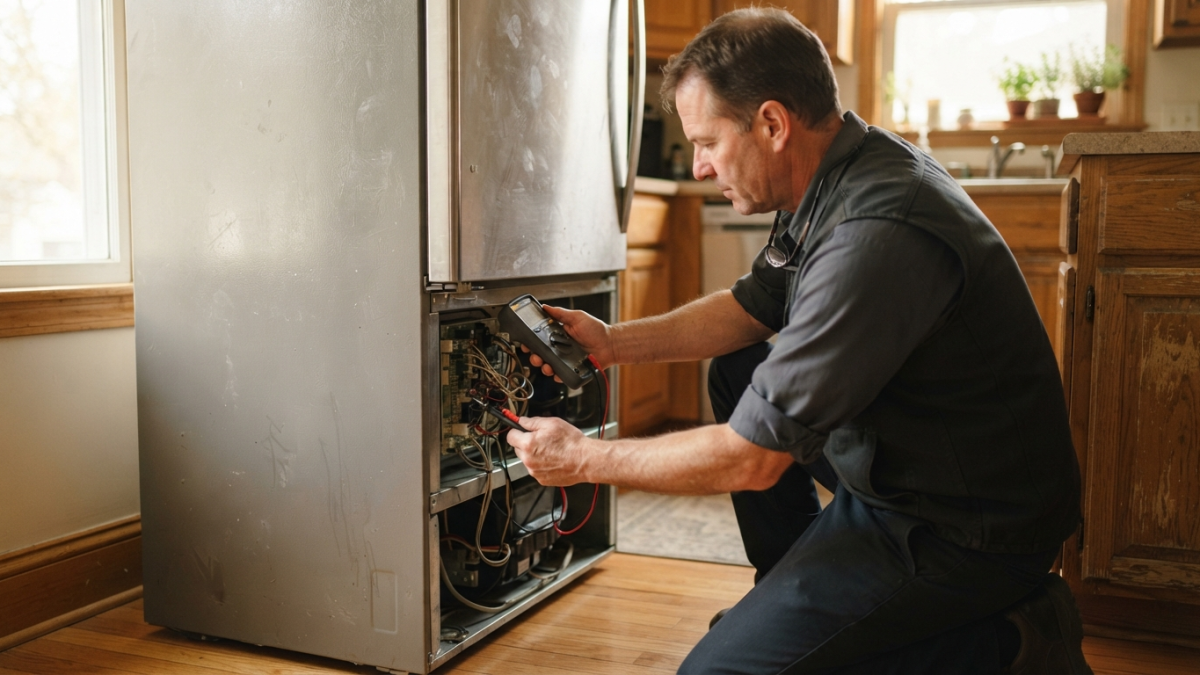
| Refrigerator warm but running | Check door seals, clear vents | If compressor or refrigerant is involved |
| Dishwasher not draining | Clear visible food debris | If pump or motor needs replacement |
| Oven not reaching temperature | Verify settings and calibration | If igniter, sensor, or gas line is affected |
Homeowners can usually handle basic cleaning, filter changes, and visual inspections. Anything involving gas lines, refrigerant, sealed electrical components, or circuit boards should be left to a professional, since improper handling can create safety hazards or void manufacturer warranties.
When It Makes Sense to Call a Technician
Some situations call for professional input regardless of how minor the symptom seems.
- The appliance involves gas or high-voltage wiring. Ranges, dryers, and water heaters often connect to gas lines or 240-volt circuits that require licensed handling.
- The same problem keeps recurring. Repeated breakdowns after a DIY fix usually point to an underlying issue that needs proper diagnosis.
- The appliance is under warranty. Attempting a repair without authorized service can void coverage.
- Repair costs approach replacement costs. A technician can help weigh whether fixing or replacing is the more practical choice.
- Safety signs appear. Burning smells, sparking, or visible scorch marks mean the appliance should be unplugged and inspected immediately.
Common Appliances That Need the Most Attention
Certain appliances tend to generate more service calls than others due to daily use and mechanical complexity.
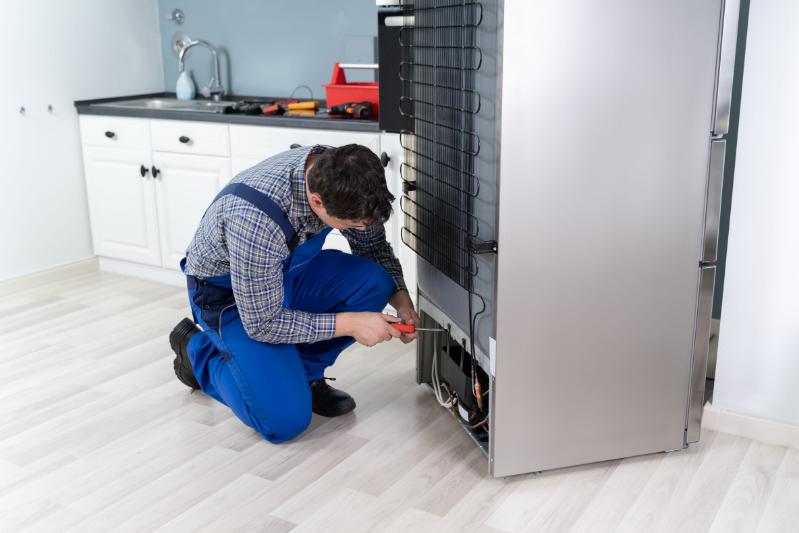
- Refrigerators: Compressor wear, dirty coils, and failing door seals are frequent culprits behind inconsistent cooling.
- Washers and dryers: Belt wear, clogged vents, and drum bearing issues account for a large share of laundry appliance calls.
- Dishwashers: Clogged filters, worn gaskets, and pump failures are the most reported problems.
- Ovens and ranges: Faulty igniters, heating elements, and thermostat calibration issues are typical.
Technicians who regularly service these appliance types can usually identify the root cause faster than a general troubleshooting guide, since many symptoms overlap across different underlying problems.
Frequently Asked Questions
How do I know if my appliance problem is serious enough to call a repair professional? If the issue involves gas, electrical wiring, refrigerant, or repeated failures after a basic fix, it is safer to schedule a professional inspection rather than continue troubleshooting independently.
Is it cheaper to repair or replace an older appliance? This depends on the age of the unit, the cost of parts, and how often it has needed service; a technician can provide a realistic comparison after inspecting the appliance.
Can regular maintenance prevent most appliance breakdowns? Routine cleaning and inspection reduce the likelihood of many common failures, though some component wear is unavoidable over time and will eventually require repair.
What appliances typically need professional repair most often? Refrigerators, washers, dryers, dishwashers, and ovens tend to generate the highest number of service calls due to frequent daily use and mechanical complexity.
Looking Ahead
Addressing appliance issues as soon as warning signs appear generally costs less than waiting for a complete breakdown, and it reduces the chance of safety hazards tied to gas or electrical components. Doc’s Appliance Service, a Michigan-based provider that services and repairs a full range of household appliances including refrigerators, ranges, ovens, washers, dryers, dishwashers, and microwaves, offers one option for homeowners weighing repair against replacement. Those comparing service providers or researching appointment details can Visit Website to review service information and scheduling options before deciding on next steps.