Key point:
• Qualified excavating contractors handle land clearing, grading, trenching, and drainage work that requires proper equipment, permit knowledge, and soil expertise.
• Snohomish County requires a Land Disturbing Activity permit for most grading projects over 7,000 square feet, making local regulatory familiarity essential.
• Verifying licensing, insurance, and documented project history helps property owners in Arlington, WA avoid costly excavation mistakes.
Hiring the right excavation professional means confirming licensing, verifying insurance coverage, and reviewing documented experience with grading, trenching, and drainage work before signing any contract. Property owners who skip this verification step often face rework, permit violations, or drainage failures that cost more than the original project.
Selecting qualified Excavating Contractors requires more than comparing price quotes. Soil composition, slope grade, and underground utilities all affect how a project should be approached, and a contractor’s familiarity with these variables often determines whether a job finishes on schedule or stalls under permit review.
What Excavating Work Typically Involves
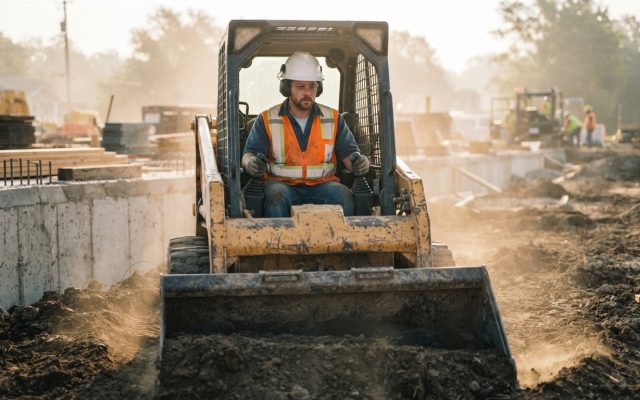
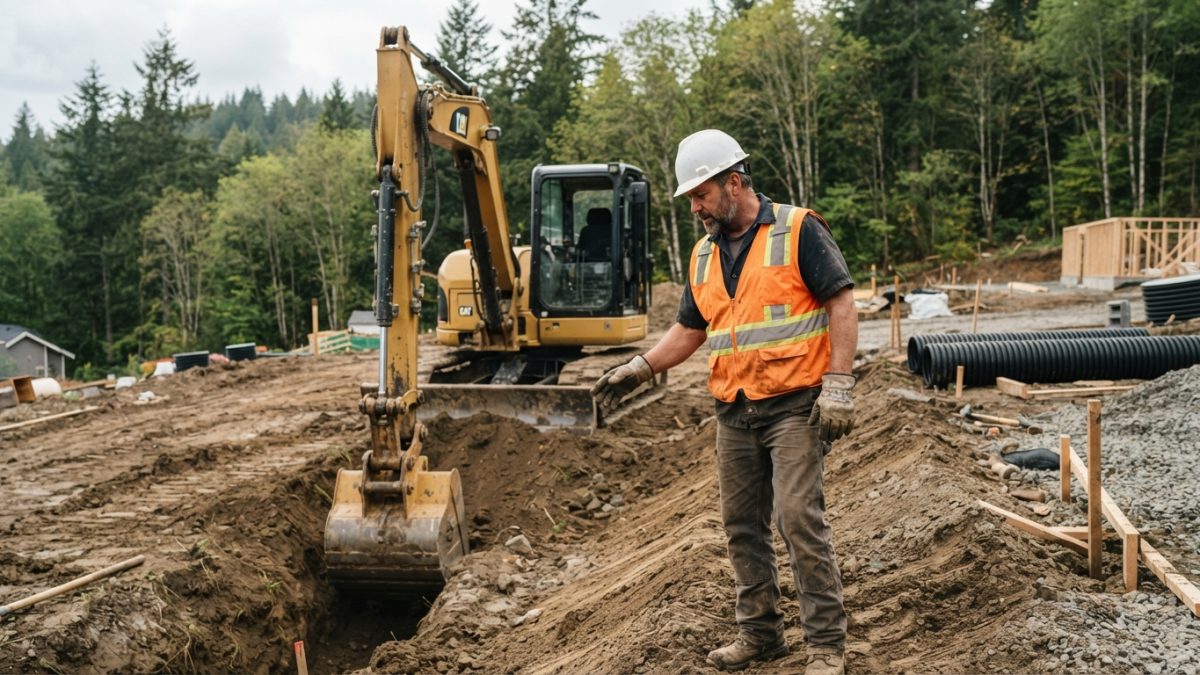
Excavation covers a range of site preparation and earth-moving tasks that go beyond simply digging a hole. Common scopes of work include:
• Land clearing and grading for new construction or landscaping
• Trenching for utility lines, water service, or drainage pipe
• Soil removal and grading to correct drainage or slope issues
• Site preparation ahead of foundation or hardscape installation
Each task demands different equipment and sequencing. A contractor who understands how grading affects water flow, for example, can prevent problems that would otherwise surface during the next heavy rain.
Why Soil and Drainage Knowledge Matters
Property owners in Arlington, WA often deal with clay-heavy soils and seasonal rainfall that complicate drainage planning. Poor grading or shallow trenching can direct water toward a foundation instead of away from it, creating long-term structural risk.
Contractors familiar with regional soil behavior typically grade sites to shed water away from structures while accounting for compaction and settling over time. This knowledge is especially relevant where drainage corrections are a recurring need rather than a one-time fix.
Permits and Regulatory Considerations
Excavation and grading work in Snohomish County is subject to specific permit thresholds that property owners should understand before starting a project.
Snohomish County requires a Land Disturbing Activity permit when clearing or grading exceeds 7,000 square feet, more than 2,000 square feet of new impervious surface is created, or grading volumes include more than 100 cubic yards within an 18 month period without an associated building permit. Disturbance within a critical area also triggers permit requirements regardless of project size, since any disturbance within a critical area falls under the Land Disturbing Activity code.
Projects that fall under these thresholds also carry separate drainage compliance obligations, since land disturbing activities including clearing, filling, excavation and grading that are not exempt require both an LDA permit and compliance with drainage regulations. A contractor experienced with these rules can help a property owner avoid delays caused by incomplete applications or missed thresholds.
Comparing Contractor Qualifications
The table below outlines qualities worth checking before hiring an excavation professional.
| Qualification | Why It Matters | What to Verify |
| Licensing and insurance | Protects property owner from liability | Active license, bonding, and insurance certificates |
| Equipment capability | Determines project scope and timeline | Access to grading, trenching, and excavation machinery |
| Permit familiarity | Avoids compliance delays | Experience filing LDA or grading permits locally |
| Documented project history | Indicates consistency | References or verifiable completed jobs |
Contractors who can speak clearly to each of these points typically demonstrate a stronger grasp of both the technical and regulatory sides of excavation work.
Questions to Ask Before Hiring
A short list of direct questions can clarify whether a contractor is prepared for the specific scope of a project:
1. Does the project require a Land Disturbing Activity permit under current thresholds?
2. How will grading address drainage flow around the property?
3. What equipment will be used, and is it suited to the soil conditions on site?
4. Can the contractor provide proof of licensing and insurance before work begins?
Asking these questions early helps avoid surprises once equipment arrives on site and work is already underway.
Frequently Asked Questions
Does every excavation project need a permit? Not necessarily. Land disturbing activity that disturbs less than 7,000 square feet of land may be exempt, though drainage compliance can still apply depending on the project.
How does soil type affect excavation planning? Soil composition affects compaction, drainage, and slope stability, which in turn determines grading methods and equipment choices for a given site.
What is the difference between grading and excavation? Grading refers to reshaping land to control slope and drainage, while excavation involves removing soil or material, often for trenching, foundations, or utility installation.
Why does drainage planning matter during excavation? Improper grading can redirect water toward a structure instead of away from it, increasing the risk of foundation or crawl space damage over time.
Business Information and Next Steps
Based in Snohomish, WA, All Seasons Earthworks LLC serves property owners in Arlington, WA, with professional excavation services.
Property owners evaluating excavation projects can Learn More about available services and project details.