Simply put:
• Metal fabrication strengthens residential builds with durable, precision-cut components for framing, railings, and structural support.
• Custom fabrication allows homeowners to get exact-fit metal pieces instead of settling for generic stock sizes.
• Working with an established fabrication shop means access to cutting, bending, forming, and welding under one roof.
Homeowners searching for sturdier, longer-lasting building components are increasingly turning to fabricated metal parts instead of standard lumber or prefabricated kits. Metal fabrication gives residential projects precise, code-compliant components that hold up under weather, structural load, and daily wear far longer than many traditional materials.
Choosing Residential Metal Fabrication for a home build or renovation means gaining access to custom-cut steel, aluminum, and stainless components tailored to a property’s exact dimensions. Fabrication shops that serve homeowners typically produce items such as structural brackets, decorative screens, handrails, gate components, and reinforcing materials, built to the same tolerances used in commercial and industrial work. This level of precision matters when a staircase railing or support beam has to fit a space exactly, with no room for the gaps or misalignments common in mass-produced parts.
Why Residential Projects Benefit from Custom Fabrication
Stock metal products rarely match the irregular dimensions found in older homes or custom-designed additions. Fabrication shops solve this by cutting and shaping materials to the specific measurements a project requires.
Common residential applications include:
• Decorative screens and house plaques for exterior finishing
• Handrails and gate components for safety and curb appeal
• Reinforcing rod and wire mesh used in foundations and concrete work
• Custom brackets and structural supports for additions or renovations
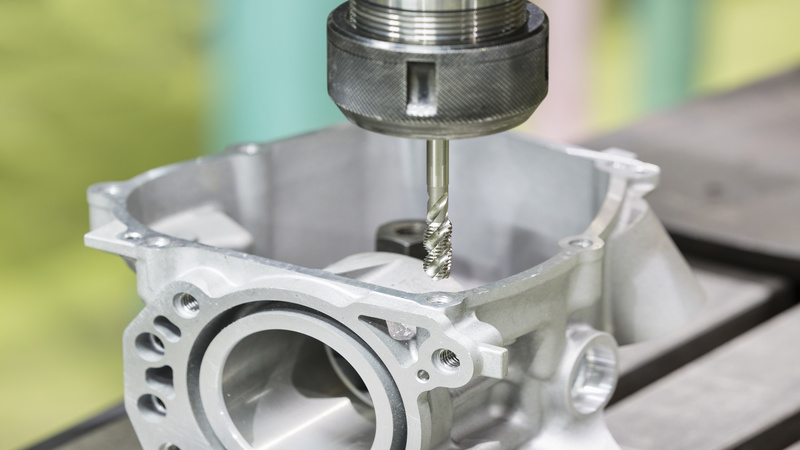
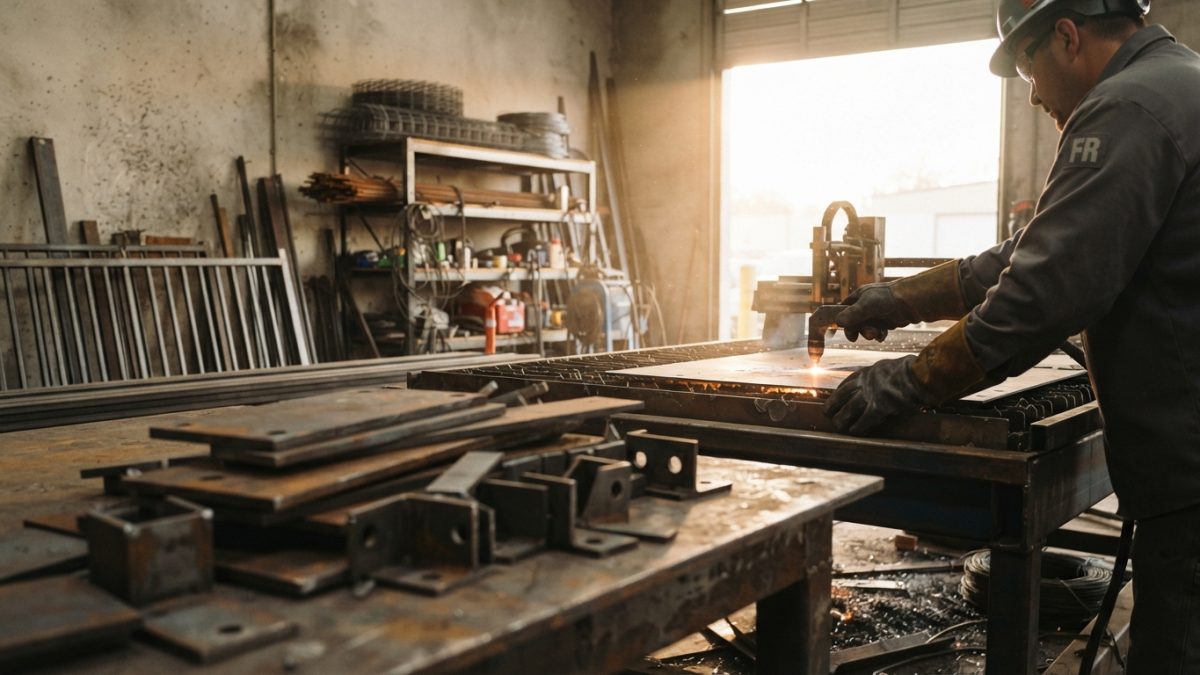
A shop equipped with CNC plasma cutting technology can produce these pieces with tighter tolerances than manual cutting methods, which supports better fit and long-term structural accuracy.
Durability and Structural Performance
Steel and aluminum components resist the rot, insect damage, and warping that affect wood-based materials over time. For structural elements like beams, columns, and reinforcing bar, this durability translates directly into a longer service life for the home.
Federal safety regulations also shape how structural steel is handled on residential and commercial job sites. OSHA’s steel erection standards establish requirements for structural steel assembly, column anchorage, and fall protection during construction, rules that apply whenever structural metal framing is part of a build. Working with a fabricator familiar with these guidelines helps ensure components are manufactured and installed in a way that supports overall job-site safety.
| Fabrication Method | Best Use Case | Key Advantage |
| CNC plasma cutting | Precision brackets, structural plates | Tight tolerances on thick steel |
| Manual bending and forming | Custom railings, decorative pieces | Flexible shaping for unique designs |
| Welding and assembly | Gate frames, structural joints | Permanent, load-bearing connections |
| Cutting to length | Rebar, wire mesh, tubing | Matches exact project dimensions |
Working with a Local Fabrication Shop
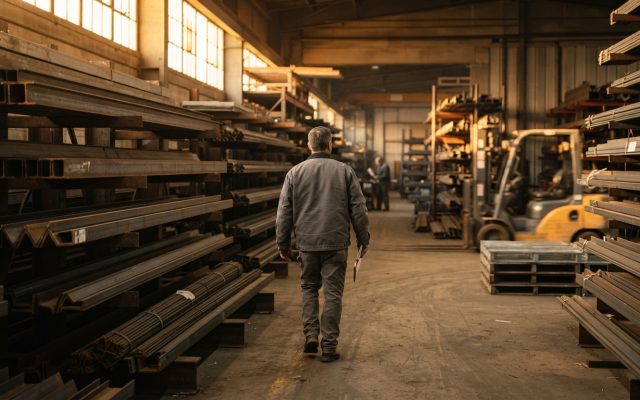
Sourcing fabricated metal locally reduces lead times and allows for direct communication about project specifications before cutting begins. A shop that maintains its own plate, pipe, and structural inventory can often turn around custom orders faster than one relying on outside suppliers.
Homeowners planning additions, decks, or structural repairs benefit from discussing exact measurements, material grades, and finish requirements directly with the fabrication team. This upfront coordination reduces the chance of costly rework later in the project.
Frequently Asked Questions
What residential projects commonly use fabricated metal components? Homeowners use fabricated metal for decorative screens, house plaques, handrails, gate components, structural brackets, and reinforcing materials used in foundations.
Is custom fabrication more expensive than stock metal products? Pricing varies by project scope and material thickness, but custom fabrication often reduces waste and rework since pieces are cut to exact specifications rather than trimmed on-site.
Can fabrication shops cut thick steel plate for structural use? Shops equipped with CNC plasma tables can cut steel plate up to roughly one inch thick, which supports structural brackets and other load-bearing components.
Do fabrication shops handle both new materials and recycled metal? Some shops operate combined divisions that provide new steel products and fabrication services alongside scrap metal recycling for the same customer base.
A Practical Next Step
Fabricated metal components give residential construction projects a level of precision and durability that off-the-shelf materials often cannot match, particularly for structural brackets, railings, and reinforcing work. Maryland Metals Inc, a Hagerstown-based metal supplier offering new steel products, custom fabrication, and scrap recycling, serves homeowners and contractors across the region. Homeowners planning a renovation or structural project can Click Here to review service details or reach out directly to discuss project specifications and material options.