Summary first:
• Reliable pergola contractors verify licensing, provide written estimates, and specify materials and attachment methods before work begins.
• Ask for proof of insurance, a clear project timeline, and references tied to similar outdoor structures.
• Compare at least two or three bidders using the same scope of work so pricing and warranty terms are easy to measure side by side.
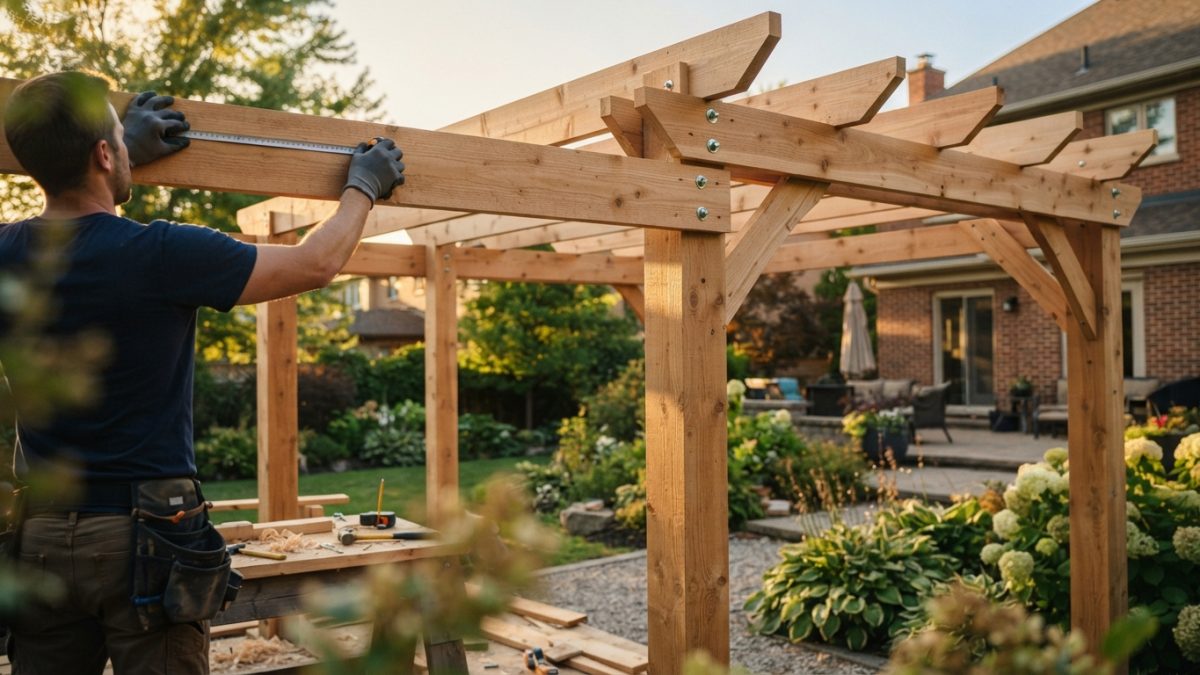
Choosing dependable pergola contractors means checking licensing, insurance, written estimates, and material specifications before any contract is signed. A pergola is a long-term outdoor investment, and the contractor you select determines whether that structure holds up through seasonal weather or becomes a recurring repair headache.
Homeowners searching for pergola contractors often compare multiple local companies at once, trying to figure out which ones stand behind their work. AKA the fence company offers outdoor structure services, including pergola construction, fencing, and related exterior projects. Reviewing verified listings and customer feedback is a useful first step before requesting quotes and choosing the right contractor for your project.
What to Verify Before Hiring
A pergola is a permanent structure attached to or near your home, so the vetting process should go beyond price comparisons.
• Licensing and local permits : Confirm the contractor pulls required permits in your jurisdiction rather than leaving that step to the homeowner.
• Insurance coverage : Ask for proof of general liability and workers compensation coverage before any crew sets foot on the property.
• Material specifications : A detailed estimate should name the wood species, metal gauge, or composite brand being used, not just “premium materials.”
• Written warranty terms : Reliable contractors put warranty length and what it covers in writing, not just in a sales conversation.
Skipping these checks is one of the most common reasons outdoor construction projects run over budget or require early repairs.
Comparing Pergola Contractor Options
Not every contractor structures bids the same way, which makes side-by-side comparison difficult unless you ask for matching scope details. The table below outlines what to request from each bidder so you are comparing equivalent information.
| Factor | What to Ask For | Why It Matters |
| Material grade | Specific wood, vinyl, or aluminum spec sheet | Prevents substitution with lower-grade materials mid-project |
| Attachment method | Freestanding vs. house-attached design details | Affects permitting, structural load, and long-term stability |
| Timeline | Start date and estimated completion window | Flags contractors who overbook or underestimate labor needs |
| Warranty | Written coverage period and exclusions | Clarifies who pays for repairs if materials fail early |
Request this information in writing from each company, then line up the responses before deciding.
Questions to Ask During the Estimate
A short conversation during the estimate visit reveals more about reliability than a glossy brochure ever will.
1. How long has the crew been building pergolas specifically, not just general carpentry or fencing?
2. Will the same team that measures the site also perform the installation?
3. What is the process if weather delays push the project past the agreed timeline?
4. Can references be provided for pergola projects completed in the last year?
Contractors who answer these questions directly and without hesitation are typically more transparent about the rest of the project as well. Outdoor wood structures also need to meet local building code requirements for footing depth and wind load, standards that vary by region according to the International Code Council’s model building codes, which many jurisdictions adopt as a baseline. Asking a contractor whether their designs meet these adopted codes is a fair and necessary question.
Red Flags That Signal Risk
Some warning signs show up before a contract is ever signed.
• Pressure to pay the full project cost upfront, before materials are ordered or work begins.
• Reluctance to provide a physical business address or local references.
• Verbal-only estimates with no itemized breakdown of labor and materials.
• No mention of permits, even in areas where they are legally required for attached structures.
Any one of these on its own may not disqualify a contractor, but two or more together are worth treating as a serious caution.
Frequently Asked Questions
How long does a typical pergola installation take? Timelines vary based on size, material, and whether the structure is freestanding or attached to the home, so ask each contractor for a project-specific estimate rather than relying on general industry averages.
Do pergolas always require a permit? Permit requirements depend on local building codes and the structure’s size and attachment method, so check with your city or county building department before work begins.
What materials are commonly used for pergolas? Wood, vinyl, and aluminum are the most common choices, each with different maintenance needs and lifespans that a contractor should explain during the estimate.
Should I get more than one estimate? Yes. Comparing two or three estimates using the same scope of work makes it easier to spot unusually high or low bids and understand what is actually included.
Choosing a pergola contractor means verifying credentials, comparing written estimates to the scope, and asking direct questions about materials and timelines. You can also view AKA The Fence Company’s Google Maps listing to learn more, review its location, and read customer feedback. Taking these steps before signing a contract reduces the chance of delays, budget overruns, or structural issues down the line. A well-vetted contractor will welcome these questions as a normal part of the process, not treat them as an inconvenience.