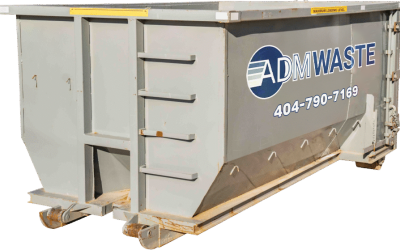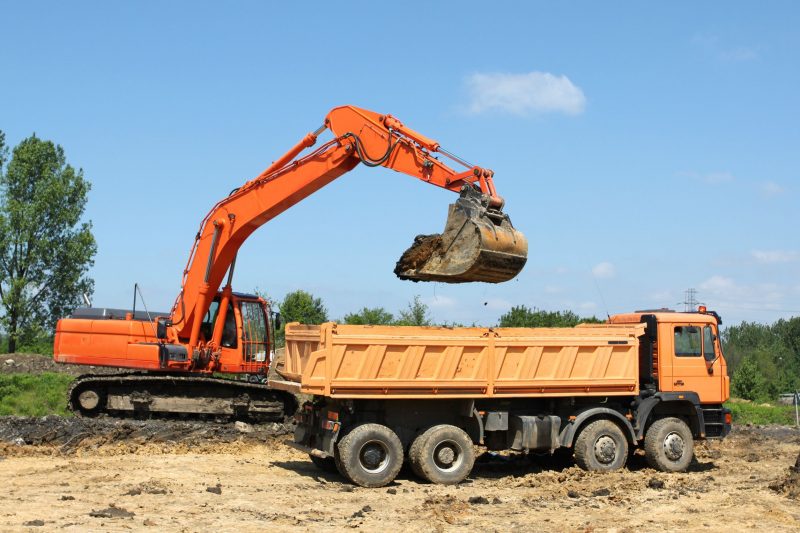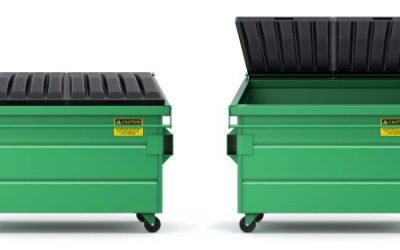





A dumpster rental gives property owners and managers a designated container for approved debris produced while cleaning and repairing a rental home after a tenant moves out. In Peoria, AZ, planning the container size, delivery time, placement area, and accepted materials before repairs begin can help keep the property organized and ready for contractors.
What Waste Can Move-Out Damage Produce?
The amount and type of debris depend on the condition of the rental home. A routine turnover may only involve damaged blinds, worn shelving, broken household items, packaging, and small amounts of flooring or drywall.
More extensive damage can produce:
- Broken furniture
- Damaged cabinets and doors
- Carpet and flooring materials
- Drywall and insulation
- Wood trim and shelving
- Plumbing or bathroom fixtures
- Yard debris
- General household items left behind
Property owners should inspect the home before ordering a container. Taking photographs and listing the expected materials can help a rental provider recommend an appropriate dumpster.
Items should not be loaded simply because they fit. Paint, chemicals, batteries, fuels, refrigerants, electronics, and other restricted materials may require separate handling. The provider should be asked about anything uncertain before cleanup begins.
Why Should Cleanup Be Planned Before Repairs?
Contractors need clear access to floors, walls, entrances, and work areas. If abandoned belongings and damaged materials remain scattered throughout the property, repair crews may have to move the same debris several times.
A planned residential dumpster rental provides one location for approved waste from the beginning of the turnover. Cleanout crews can remove abandoned items first, followed by debris from flooring, drywall, cabinets, or fixture repairs.
This sequence allows the property owner to see the condition of the home more clearly. Hidden wall damage, stained flooring, pest activity, or broken fixtures may only become visible after furniture and clutter have been removed.
How Is the Right Dumpster Size Selected?
Container size should reflect both debris volume and material weight. Large furniture may occupy substantial space without being unusually dense, while tile, concrete, dirt, or roofing materials can reach weight limits quickly.
A smaller waste dumpster rental may be enough for a limited cleanout involving household items, carpet, and minor repair debris. A larger container may be needed when several rooms require flooring removal, cabinet replacement, drywall work, or extensive property cleanup.
Useful information to give the rental provider includes:
- Approximate size of the home
- Number of affected rooms
- Types of abandoned items
- Repair materials being removed
- Expected project duration
- Available driveway or jobsite space
Photographs may also help the provider understand the volume. However, the property owner should still describe dense materials that may not be obvious in an image.
When Can Same-Day Rental Be Helpful?
A same-day rental may be useful when move-out damage is discovered unexpectedly or when contractors are ready to begin immediately. It can also help when a scheduled cleanout produces more debris than expected.
Same-day delivery should not be assumed. Availability may depend on the time of the request, container inventory, delivery distance, driver schedules, and whether the placement area is ready.
Before requesting urgent delivery, clear vehicles from the driveway, unlock gates, remove overhead obstacles, and confirm that someone can answer placement questions. Sending clear instructions can reduce delays when the property owner cannot be onsite.
When same-day service is unavailable, the debris should be staged safely without blocking entrances, sidewalks, utility areas, or contractor access.
Where Should the Dumpster Be Placed?
A driveway is often a practical placement area for rental-home repairs because it keeps the container close to the structure. The surface should be level, firm, and accessible to the delivery vehicle.
The container should not block:
- Contractor parking
- Garage access that is still needed
- Material deliveries
- Utility equipment
- Fire access
- Neighboring driveways
- Sidewalks or public streets without approval
The delivery truck requires more operating room than the dumpster itself. Low branches, roof overhangs, gates, parked vehicles, and overhead lines can interfere with placement or pickup.
Property owners should also confirm homeowners association and local requirements when the container cannot remain entirely on private property.
How Should Move-Out Debris Be Loaded?
Loading should begin with bulky approved items that can be positioned safely along the bottom. Furniture, cabinets, doors, and shelving may be broken down when doing so can be completed safely.
Smaller debris can then fill open spaces. Weight should be distributed throughout the container instead of concentrated on one side.
Materials must remain below the marked fill line. Items extending above the top can shift during transport and may prevent pickup until the load is corrected.
Workers should not climb into the container to compress debris. If the dumpster fills sooner than expected, the property owner should ask about an early pickup, container exchange, or additional rental.
How Can Owners Coordinate Cleanup With Contractors?
The cleanup schedule should match the order of repairs. Begin by removing abandoned belongings, then complete demolition or material removal before new flooring, cabinets, fixtures, or paint are installed.
Contractors should know which container they may use and which materials are prohibited. Without clear instructions, a subcontractor may add paint, chemicals, appliances, or dense debris that was not included in the rental plan.
One person should be responsible for monitoring the load and arranging pickup. This prevents the container from being overfilled or remaining onsite after contractors need the driveway for other work.
Begin the Peoria Rental Turnover With a Clear Plan
Move-out repairs are easier to manage when debris removal is planned alongside inspections, contractor scheduling, material delivery, and final cleaning. Document the damage, identify the expected waste, confirm accepted materials, and prepare a suitable placement area before ordering a dumpster.
Contact a Peoria dumpster provider with photographs and a detailed project description. Ask about container sizing, weight limits, rental length, same-day availability, prohibited materials, and pickup procedures so the property can move efficiently from damaged condition to rent-ready status.