
Short answer:
• Most roof repairs fall into a few categories: leak repair, shingle replacement, flashing repair, and ventilation fixes.
• A qualified roofing contractor determines the right fix through a physical inspection, moisture testing, and a review of the roof’s age and material condition.
• Repairs are typically chosen over full replacement when damage is localized and the underlying roof structure remains sound.
A damaged or leaking roof rarely needs a full replacement right away. In most cases, a targeted repair addresses the problem if it is caught early and diagnosed correctly.
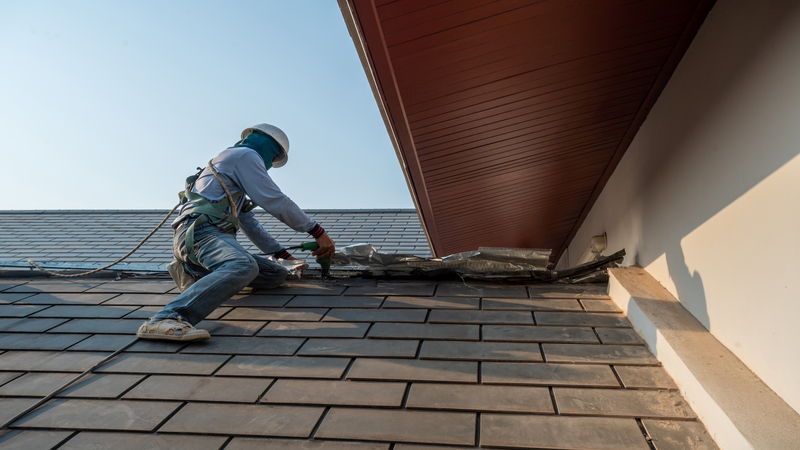
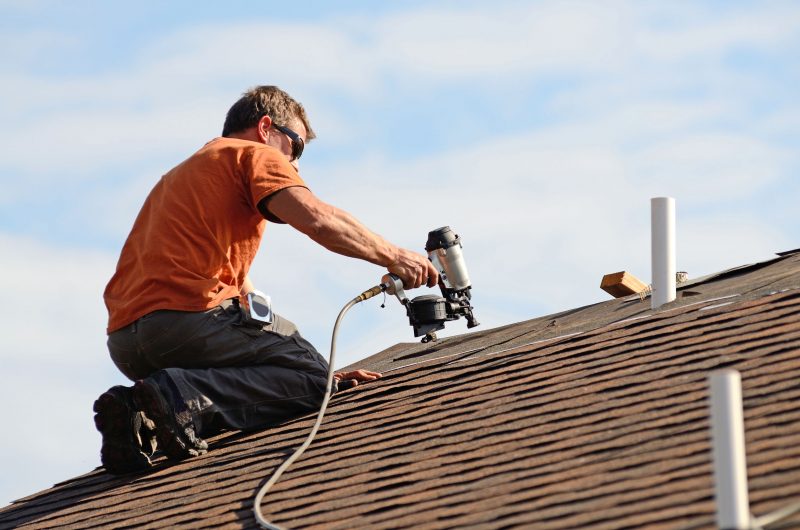
Homeowners searching for a dependable Roofing Contractor Bethlehem PA are usually dealing with a visible leak, missing shingles, or a ceiling stain that will not go away. The right contractor does not jump straight to a quote. Instead, they walk the roof, check the attic, and trace the problem to its source before recommending any repair.
That diagnostic step matters because roof damage often shows up in one place while the actual cause sits somewhere else entirely.
The Most Common Roof Repairs Homeowners Request
Certain repair types come up far more often than others, regardless of roof age or material.
• Shingle replacement – cracked, curled, or missing shingles exposed to wind and sun damage.
• Flashing repair – deteriorated metal flashing around chimneys, vents, and skylights, a common leak point.
• Leak tracing and sealing – water intrusion that may originate far from the visible stain.
• Ventilation adjustments – blocked or insufficient attic ventilation that accelerates shingle wear from the underside.
• Gutter and drainage fixes – clogged or misaligned gutters that force water back under roofing material.
Each of these problems can look similar from the ground but requires a different repair approach once a contractor gets on the roof.
How Contractors Diagnose the Right Fix
A reliable diagnosis starts with a visual and physical inspection, not a guess based on the homeowner’s description alone.
1. Exterior inspection – checking shingle condition, flashing seams, and roof valleys for wear patterns.
2. Interior and attic check – looking for moisture staining, mold, or daylight coming through the decking.
3. Moisture and age assessment – determining whether damage is isolated or a sign of broader material failure.
4. Material and installation review – confirming whether the original installation method is contributing to the issue.
The National Roofing Contractors Association notes that proper roof maintenance and timely repair inspections help extend a roof’s service life and reduce the risk of structural water damage. This kind of structured inspection process is what separates a lasting repair from a temporary patch that fails again within a year or two.
Repair vs. Replacement: What Determines the Decision
Not every damaged roof needs a full tear-off. Contractors weigh a few specific factors before recommending repair or replacement.
| Factor | Favors Repair | Favors Replacement |
| Damage area | Localized to one section | Spread across multiple roof planes |
| Roof age | Within expected material lifespan | Near or past manufacturer lifespan |
| Underlying structure | Decking and framing intact | Soft spots or rot present |
| Leak history | First occurrence, isolated cause | Recurring leaks in different areas |
This kind of comparison helps homeowners understand why two roofs with similar-looking damage can end up with very different recommendations.
Why Local Inspection Still Matters
Weather exposure, roof pitch, and material type all affect how a roof ages in a specific region, which is why an in-person inspection carries more weight than a photo-based estimate. A contractor familiar with regional roofing conditions can usually spot early warning signs, such as granule loss or flashing separation, before they turn into interior leaks.
Routine seasonal checks, particularly after storms or heavy snow, also help catch small issues while they are still a simple repair rather than a larger project.
Frequently Asked Questions
How do I know if my roof needs a repair or a full replacement? A contractor typically bases this on the roof’s age, the extent of the damage, and whether the decking underneath is still structurally sound.
What is the most common cause of roof leaks? Flashing failure around chimneys, vents, and skylights is one of the most frequent leak sources, since these seams are more vulnerable than open shingle areas.
Can a small roof leak wait, or does it need immediate attention? Even a small leak should be inspected promptly, since trapped moisture can spread to decking and insulation before any visible interior sign appears.
Do roof repairs require a full inspection first? Yes. A proper repair recommendation depends on identifying the actual cause of damage, not just patching the visible symptom.
Roof problems rarely stay small if they are left unaddressed, but most are manageable once properly diagnosed. Homeowners in the area who want a clear, on-site assessment of a leak, damaged shingles, or ventilation issue can reach out to Novak Home Improvements Co. for a direct evaluation of what their roof actually needs.