Briefly:
- A stuck, off-track, or non-responsive garage door is often caused by a broken spring, snapped cable, misaligned track, or opener failure.
- Stop using the door immediately if it will not move smoothly, feels unusually heavy, or appears crooked in the frame.
- Professional emergency garage door repair can resolve many failures safely because spring and cable systems operate under extreme tension.
A garage door that will not open, close, or move evenly usually indicates one of four mechanical problems: a broken spring, a snapped cable, a bent track, or a malfunctioning opener. Recognizing these warning signs helps homeowners understand what they can safely check and when to contact a professional.
For homeowners in Augusta, GA, unexpected garage door failures can disrupt daily routines and create safety concerns. This is why Emergency Garage Door Repair is an important service distinct from routine maintenance. A door that drops suddenly, grinds against its tracks, or refuses to move should not be subjected to extensive DIY troubleshooting.
Recognizing the Most Common Failures
Garage door systems depend on springs, cables, rollers, and tracks working together to support and guide the door. When one component fails, the entire mechanism can become unpredictable.
Common problems include:
- Broken torsion or extension springs: The door becomes extremely heavy or refuses to lift, sometimes following a loud bang.
- Frayed or snapped lift cables: One side of the door hangs lower than the other, or the door sits crooked in the opening.
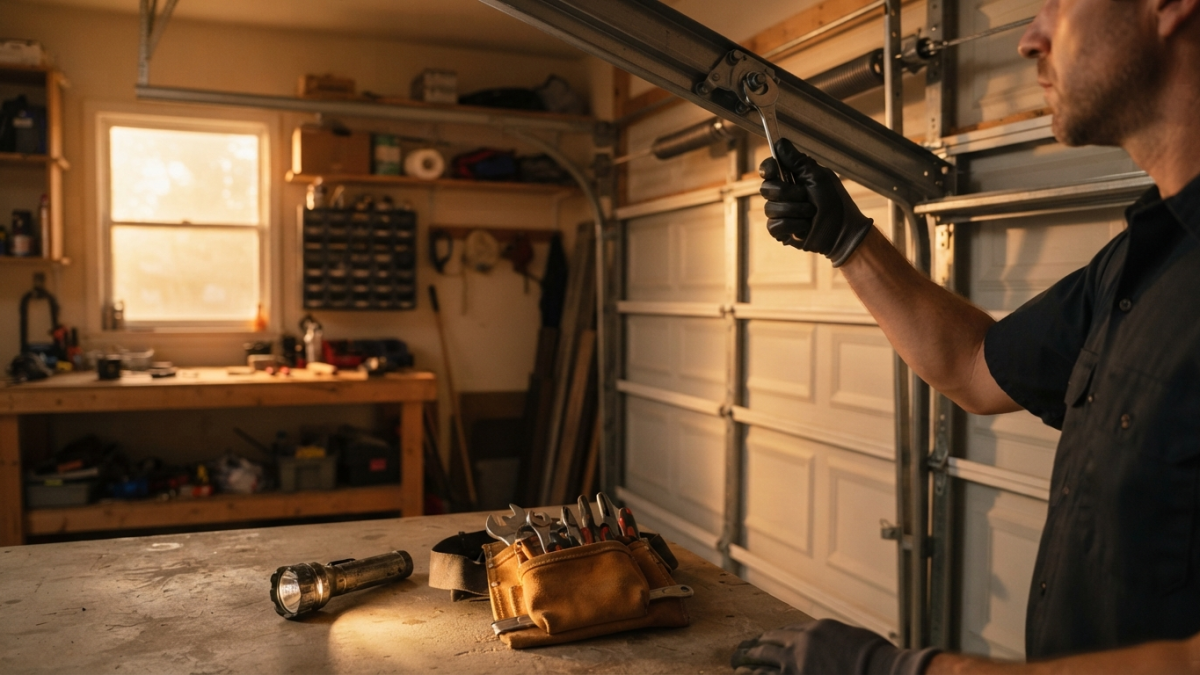
- Bent or obstructed tracks: The door binds, jumps, or grinds while moving along the track.
- Opener or sensor failure: The door reverses unexpectedly, does not respond to the remote, or stops before completing its movement.
Each of these problems can make the door unsafe to operate. Forcing a malfunctioning door open or closed may cause additional damage or increase the risk of injury.
Why Spring and Cable Failures Are Different
Garage door springs and cables store and manage substantial mechanical energy to counterbalance the door’s weight. When these components fail, the door may become difficult to control or fall unexpectedly.
According to the U.S. Consumer Product Safety Commission’s garage door opener safety bulletin, garage door system malfunctions have been associated with entrapment and injury incidents. Federal safety requirements for garage door openers include reversing-system provisions designed to help reduce these risks.
The tension stored in garage door springs makes spring and cable repairs particularly dangerous without appropriate training and equipment.
A door that drops rapidly, becomes unusually heavy, or hangs unevenly may have a failed counterbalance system rather than a simple opener problem. Homeowners should avoid attempting to adjust springs, remove cables, or dismantle related hardware themselves.
| Failure Type | Common Sign | Safe for Homeowner to Check |
|---|---|---|
| Broken spring | Door will not lift or a loud bang is heard | No — visual observation only |
| Snapped cable | Door hangs crooked or one side drops | No — visual observation only |
| Bent track | Door grinds, binds, or moves unevenly | Yes — look for visible damage without touching the mechanism |
| Opener or sensor issue | Remote is unresponsive or door reverses | Yes — check power and sensor alignment if the door is stable |
Steps to Take Before a Technician Arrives
A few simple precautions can help protect household members, pets, and vehicles while waiting for professional assistance.
- Stop operating the door. Do not continue using the remote or wall switch if the door binds, reverses unexpectedly, or feels heavier than usual.
- Keep people and pets away. Maintain a safe distance from the door, tracks, springs, and cables.
- Check basic electrical issues. If the door is stable, confirm that the opener has power and check whether the remote batteries need replacing.
- Avoid using the manual release cord in unsafe conditions. Do not release the opener if the door is open, crooked, or suspected of having a broken spring, as the door may fall.
- Avoid forcing the door manually. Leave the door in its current position and arrange professional assistance rather than attempting to lift a malfunctioning door.
These precautions help minimize risks without requiring tools or direct contact with high-tension components.
Frequently Asked Questions
Is it safe to try lifting a stuck garage door manually?
Only if the door is functioning normally and moves smoothly and evenly. If it feels unusually heavy or one side hangs lower than the other, a spring or cable may have failed. Attempting to lift the door can cause serious injury.
How quickly should a broken spring be repaired?
A broken spring should be treated as an urgent safety issue. The door may no longer be properly supported, so stop operating it and contact a qualified garage door technician.
Can an opener problem be mistaken for a mechanical failure?
Yes. Dead remote batteries, power interruptions, and misaligned safety sensors can prevent a garage door from operating normally. Checking these basic issues may help identify a simple problem, provided the door and its mechanical components appear stable.
What should I do if the garage door reverses while closing?
A blocked or misaligned safety sensor may be responsible. If the door is otherwise stable, check for visible obstructions near the sensors and make sure nothing blocks their path. If the problem continues, arrange a professional inspection rather than repeatedly forcing the door to close.
When should I call for emergency garage door repair?
Contact a professional promptly if the door falls unexpectedly, hangs crooked, has a broken spring or cable, comes off its track, or becomes too heavy to operate safely. Avoid further use until the problem has been assessed.
Keeping Your Garage Door Safe and Reliable
Garage door systems combine heavy moving parts with high-tension components, making quick and informed decisions important when a failure occurs. Recognizing warning signs, avoiding unsafe DIY repairs, and arranging professional assistance can help prevent further damage and protect household members.
Empire Overhead Garage Door Service works on residential and commercial overhead doors and openers, providing repair, installation, and maintenance services across the Central Savannah River Area. Homeowners in Augusta, GA, can contact a qualified garage door professional to assess a malfunctioning door, identify the underlying problem, and determine the appropriate repair.
Getting Help When a Door Fails
Recognizing the type of failure and taking a few cautious steps can reduce risk while waiting for a technician, but spring, cable, and track repairs are best left to trained hands. Empire Overhead Garage Door Service services and repairs garage doors and openers across the region, including situations that need prompt attention outside normal hours. For more detail on how emergency visits are handled, Click Here to review service specifics before a problem turns into a bigger inconvenience.