
Bottom line:
• Coating selection depends on equipment temperature exposure, chemical contact, and corrosion risk rather than a single universal product.
• High-temperature and ceramic-based systems are typically specified for refinery, ethylene, and petrochemical equipment exposed to extreme heat.
• Professional surface preparation and application following recognized industry standards directly affects how long a coating system performs.
Industrial facilities rely on protective coatings to slow corrosion, resist chemical exposure, and keep equipment operating through repeated heating and cooling cycles. Selecting the correct system means matching coating chemistry and application method to the specific operating conditions a piece of equipment faces rather than defaulting to a generic product.
Facilities searching for Industrial Equipment Coatings are usually comparing options for burners, refractory components, or process equipment exposed to high heat and recurring thermal stress. Narrowing the choice starts with understanding what the equipment is exposed to on a daily basis, since heat, moisture, and chemical contact each demand different coating properties.
Matching Coating Type to Operating Conditions
Equipment exposed to sustained high heat, such as burner components in refineries and ethylene plants, generally requires a different coating approach than equipment facing primarily moisture or chemical exposure.
• Ceramic coatings: suited to high-heat environments, offering thermal resistance along with protection against oxidation and corrosion.
• Polymer-based coatings: suited to applications needing flexibility and chemical resistance against a range of industrial exposures.
• Carbon buildup considerations: equipment exposed to combustion byproducts may need carbon removal before a coating can bond properly to the surface.
Surface condition plays a direct role in how well any coating performs over time. Industry guidance from the Association for Materials Protection and Performance outlines surface preparation and application standards used across protective coatings and corrosion control work, covering everything from blast cleaning levels to inspection procedures.
Comparing Common Coating Systems
The table below outlines general characteristics of coating types commonly used on industrial processing equipment.
| Coating Type | Best Suited For | Key Trait |
| Ceramic coatings | High-heat burner and refractory surfaces | Thermal resistance, oxidation protection |
| Polymer-based coatings | Equipment needing flexibility | Chemical resistance |
| Carbon removal pre-treatment | Equipment with combustion residue | Prepares surface for coating adhesion |
Selecting among these options depends on the equipment type, the facility’s process conditions, and how frequently the component is exposed to extreme temperatures or chemical contact.
Why Application Quality Affects Equipment Lifespan
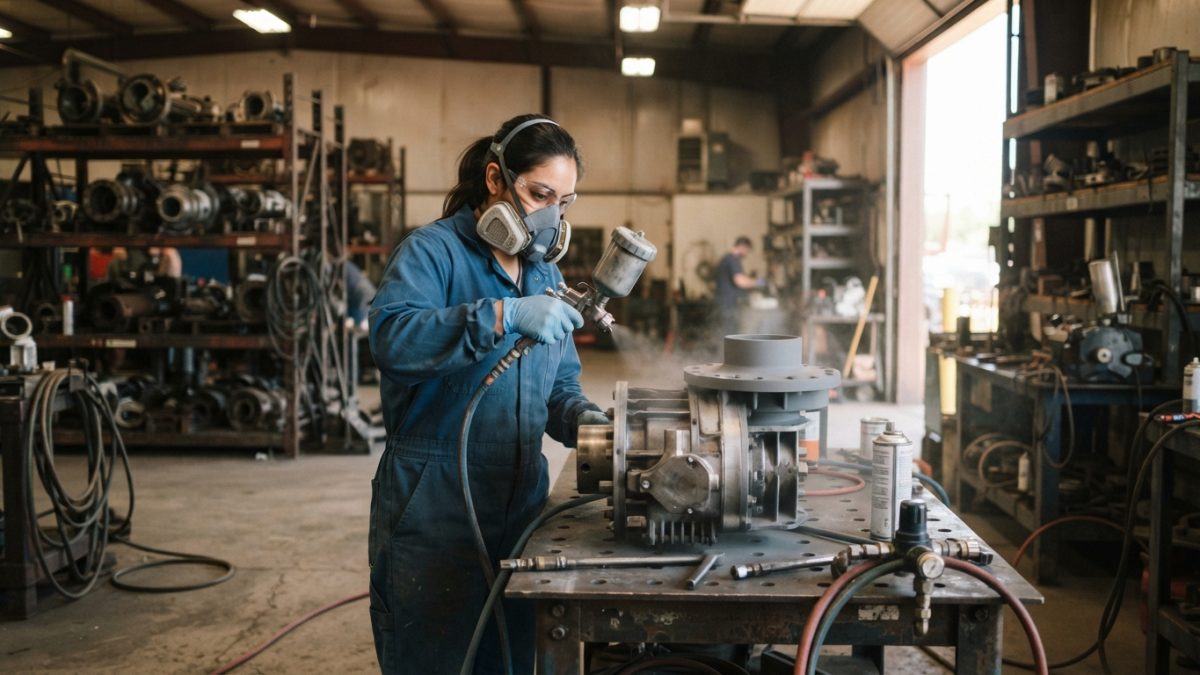
A coating system is only as effective as its application. Poor surface preparation, inconsistent thickness, or skipped inspection steps can shorten service life regardless of the product chosen.
1. Surfaces must be cleaned of scale, carbon buildup, and contaminants before coating application begins.
2. Coating thickness and curing conditions need to match manufacturer specifications for the operating environment.
3. Post-application inspection helps confirm the coating was applied correctly before equipment returns to service.
Facilities operating in and around Houston, TX contend with high humidity and seasonal heat that can accelerate corrosion on exposed metal surfaces, making surface preparation and coating selection particularly relevant for equipment stored or operated outdoors.
Business Info
Industrial coating and cleaning services for refractory and burner equipment are among the offerings verified through Learn More About Applied Coating & Cleaning Technologies, a provider working with refineries, ethylene plants, and petrochemical facilities. Based in Liberty, TX, the company serves industrial clients across Houston, TX as part of its broader Texas service area.
Frequently Asked Questions
How often do high-temperature coatings need to be reapplied? Reapplication frequency depends on operating temperature, exposure to corrosive byproducts, and how well the original application followed surface preparation standards, so facilities typically schedule inspections rather than relying on a fixed timeline.
Can industrial coatings be applied on-site? Some providers perform coating work primarily in-house using controlled equipment, while assessing on-site service needs on a case-by-case basis depending on the component and facility requirements.
What causes a coating to fail prematurely? Common causes include inadequate surface cleaning before application, carbon or scale buildup left on the substrate, incorrect coating thickness, and exposure conditions that exceed the coating’s rated tolerance.
Does carbon buildup affect coating performance? Carbon residue left on equipment surfaces can prevent proper coating adhesion, which is why carbon removal is often addressed before a new coating system is applied.
A Note on Equipment Protection Planning
Coating decisions generally work best when paired with a broader maintenance plan that accounts for inspection intervals, surface cleaning, and the specific thermal or chemical demands of each piece of equipment.