The gist:
- Look for installers who show verifiable fabrication experience, a wide material selection, and clear local service history in Bozeman.
- Compare natural stone and quartz options based on durability, maintenance, and how the material fits daily kitchen use.
- Confirm installers handle the full process, from material selection through professional, custom-fit installation.
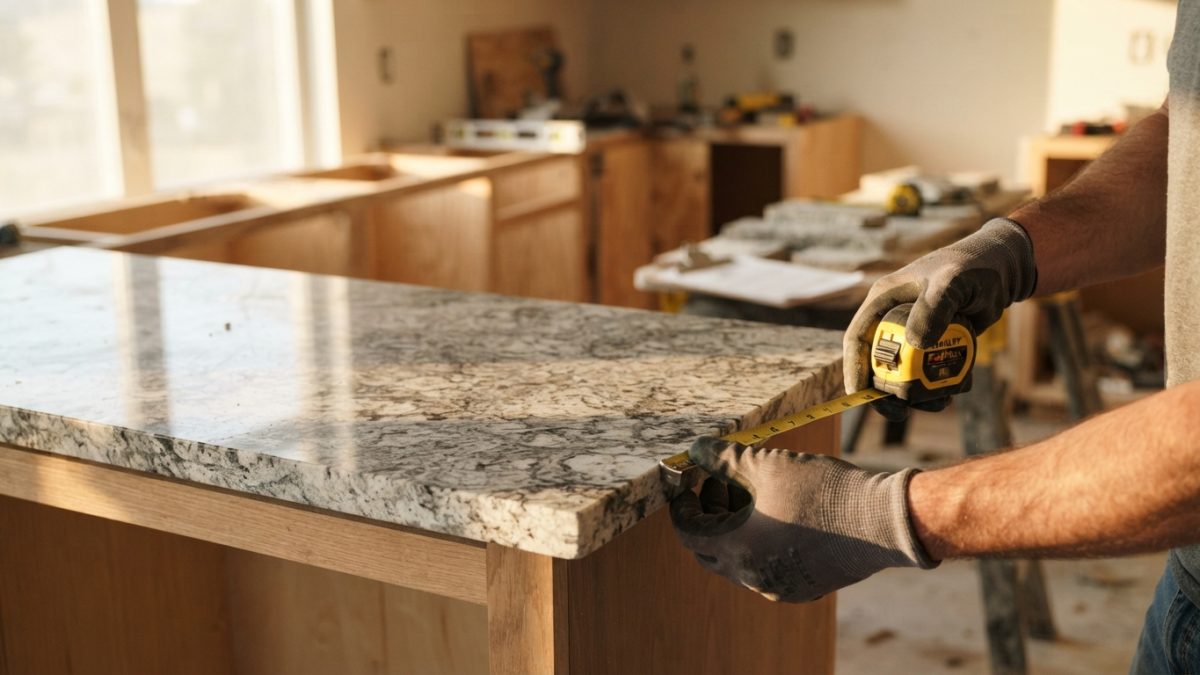
Choosing the right professional matters because countertop installation involves precise measuring, cutting, and fitting that affects how a kitchen performs for decades. The short answer: look for a fabricator with documented stone experience, a broad material catalog, and a track record of completed local installations before signing a contract.
Finding reliable Countertop Installers in Bozeman, MT starts with understanding what separates a casual installer from a dedicated stone fabrication shop. Homeowners researching this service typically want three things: confidence in the material choice, assurance the installer can execute a precise cut, and a sense that the company has handled similar kitchens before. Those three factors should guide every step of the vetting process.
What to Look for in a Countertop Installation Company
Not every contractor who advertises countertop work actually fabricates stone in-house. Before hiring, homeowners should check for:
- Material range: A company offering natural stone, quartz, marble, and other surface options gives you more design flexibility than one limited to a single product line.
- Fabrication experience: Ask how long the team has worked specifically with stone cutting, polishing, and seam work, since this affects fit and finish.
- Local installation history: A company with completed projects in your area understands regional kitchen layouts and common renovation needs.
- Custom-fit process: Verify the installer measures and fabricates each slab to match your exact cabinet dimensions rather than relying on generic templates.
These criteria apply whether you are updating a single kitchen island or renovating an entire home.
Comparing Common Countertop Materials
Material choice affects both the installation process and long-term upkeep. The table below outlines general characteristics of the most common options homeowners consider during a kitchen remodel.
| Material | Durability Profile | Maintenance Needs | Best Suited For |
| Granite | Naturally heat and scratch resistant | Periodic sealing recommended | Busy kitchens, heavy cooking use |
| Quartz | Engineered, non-porous surface | Low maintenance, no sealing required | Low-upkeep households |
| Marble | Elegant appearance, softer stone | More care needed to avoid etching | Accent surfaces, lower-traffic areas |
Natural stone and engineered surfaces each carry distinct trade-offs. Academic researchers who study building materials note that surface choice in kitchens involves weighing durability, chemical exposure, and long-term maintenance together, as outlined in this overview of healthier countertop materials. Homeowners should weigh these factors against their cooking habits and cleaning routines before committing to a slab.
Questions to Ask Before Hiring
A short conversation with a prospective installer can reveal a great deal about how a project will unfold. Consider asking:
- How many years has your team fabricated and installed stone countertops locally.
- What is the typical timeline from template to finished installation.
- Do you handle both residential and commercial projects, and how does that affect scheduling.
- What happens if a seam or edge needs adjustment after installation.
Clear, direct answers to these questions usually indicate a company comfortable with its own process and confident in its workmanship.
Working With an Established Local Fabricator
Experience fabricating and installing stone surfaces tends to show in the smaller details: tight seams, level surfaces, and edges that match the rest of the kitchen design. One regional option homeowners in the area have researched is Silver City Stone, which lists granite, marble, quartz, and natural stone countertop installation among its services for the Bozeman area. Companies with this kind of established material selection tend to give homeowners more room to match a countertop to both their kitchen layout and their maintenance preferences.
Homeowners planning a kitchen update should treat the countertop as a long-term investment rather than a quick cosmetic swap. Taking time to compare material options, confirm fabrication experience, and ask direct questions about process will make the eventual installation smoother and reduce the chance of costly surprises.
Frequently Asked Questions
How long does countertop installation typically take? Timelines vary by project scope and material availability, so it is best to ask any installer directly about their current scheduling before committing to a project.
Can one company handle both residential and commercial countertop installs? Some fabrication shops serve both residential kitchens and larger commercial projects, so confirm this capability if your renovation involves a mixed-use space.
Does quartz require sealing like natural stone? Quartz is an engineered, non-porous surface, which generally means it does not require the periodic sealing that some natural stone materials need.
What is the difference between granite and marble for kitchen use? Granite tends to offer stronger heat and scratch resistance for daily cooking, while marble offers a distinct appearance but typically needs more careful maintenance to avoid etching from acidic spills.
Choosing a countertop installer is ultimately about matching a company’s material selection and fabrication experience to your household’s actual needs. A clear conversation about process, timeline, and maintenance expectations before signing any contract will help ensure the finished kitchen holds up for years of daily use.