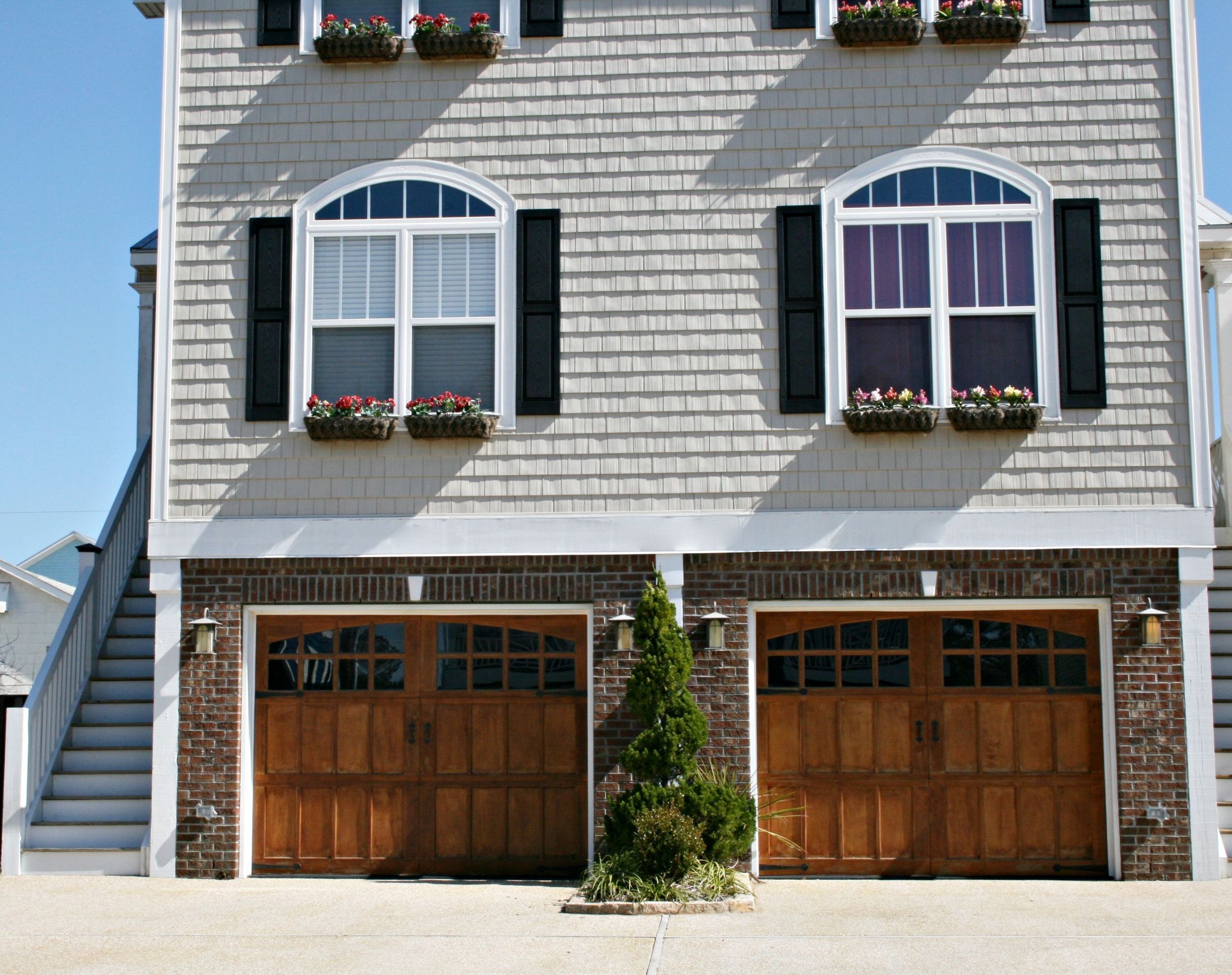

Snapshot:
- Residential garage door replacement involves removing an existing door and installing a new one matched to opener systems, insulation needs, and home style.
- Material, panel design, and insulation level are the main variables that affect cost, durability, and energy performance.
- Professional installation ensures proper alignment, balance, and opener connection, which affects both safety and longevity.
A new garage door replaces an aging or damaged door with a unit sized, balanced, and connected to match the home’s opener system and structural opening. The process typically includes removal of the old door, installation of new tracks and hardware, and calibration of the opener for safe, consistent operation.
Homeowners researching Residential Garage Door Replacement Lincoln NE are usually weighing material options, insulation value, and how a new door will perform through Nebraska’s temperature swings. Garage doors in the Lincoln, NE area face wide seasonal shifts, from summer heat to winter cold snaps, which makes panel construction and weatherstripping meaningful factors in a replacement decision. Based in the USA, Capital Overhead Door serves customers across Lincoln, NE, supporting both residential and commercial door needs in the region.
What Residential Garage Door Replacement Involves
Replacing a garage door is a structured process rather than a simple swap of panels. A qualified installer typically completes the following steps:
- Removes the existing door, track, and worn hardware
- Measures the opening to confirm proper fit for the new door
- Installs new tracks, rollers, and springs rated for the door’s weight
- Mounts the new door and aligns it for balanced operation
- Connects and tests the opener, including safety reversal sensors
Improper alignment or mismatched spring tension can cause premature wear or safety issues, which is why manufacturer specifications and balance testing matter during installation.
Comparing Common Door Materials
Material choice affects upfront cost, maintenance needs, and how well a door holds up to temperature extremes. The table below outlines general characteristics of common residential options.
| Material | Typical Durability | Maintenance Needs | Insulation Potential |
| Steel (sectional) | High, resists warping | Occasional repainting, rust checks | Good with foam-filled cores |
| Wood | Moderate, sensitive to moisture | Regular sealing and refinishing | Moderate, varies by thickness |
| Aluminum | High, lightweight | Low, resists corrosion | Lower unless insulated |
| Fiberglass/composite | High, resists dents | Low | Moderate to good |
Sectional steel doors remain a common residential choice because they balance cost, strength, and insulation flexibility across a wide range of panel designs.
Insulation and Energy Considerations
Insulated doors can reduce temperature swings in an attached garage, which matters for homes where the garage shares walls with living space. It is worth noting that garage doors are not currently eligible for the federal Energy Efficient Home Improvement Credit under IRS Section 25C, since the Energy Star federal tax credit program does not classify garage doors as a qualifying exterior door product. This means insulation upgrades are evaluated for comfort and durability benefits rather than tax incentives.
- R-value ratings indicate resistance to heat transfer; higher numbers generally mean better insulation.
- Double-layer or triple-layer steel doors typically offer stronger thermal performance than single-layer panels.
- Weatherstripping and bottom seals affect draft resistance as much as the door panel itself.
Opener Compatibility and Safety Standards
A replacement door must work correctly with the existing or new opener system. Operators sold for residential and commercial use are required to meet federal and state safety standards, including UL 325 requirements for entrapment protection, which govern reversal sensors and force limits on powered garage door systems.
- Confirm the opener’s horsepower and cycle rating match the new door’s weight
- Test photo-eye sensors and auto-reverse function after installation
- Replace worn cables or springs rather than reusing them with a new door panel
Frequently Asked Questions
How long does a typical residential garage door replacement take? Most single-door residential replacements are completed within a day, though older openings with structural issues or custom sizing may take longer.
Can an existing opener be reused with a new door? In many cases yes, provided the opener’s lift capacity and cycle rating match the new door’s weight and the safety sensors are tested after installation.
What panel style works best for Nebraska weather? Double-layer steel panels with foam insulation and sealed bottom brackets tend to perform well against wind-driven cold and summer heat common in the region.
Does a new garage door affect home resale value? Replacement doors are frequently cited among exterior upgrades with strong value retention, though actual return varies by material, market, and overall home condition.
Final Notes and Next Steps
Selecting a replacement door comes down to matching material, insulation level, and opener compatibility to the home’s structure and the region’s climate demands. Garage door service listings for the area, including published details for Capital Overhead Door, cover installation and repair work in Lincoln, NE.
A current service overview for Capital Overhead Door is published online for reference on residential and commercial garage door work.