
Recap:
• Residential water damage restoration involves extraction, structural drying, sanitization, and documentation to return a home to a safe, dry condition.
• Mold can begin forming within 24 to 48 hours of water exposure, making fast response a priority after any leak or flood.
• Portage, MI homeowners should understand the restoration timeline, insurance considerations, and what distinguishes a thorough cleanup from a rushed one.
Residential water damage restoration refers to the structured process of removing standing water, drying out a structure, and sanitizing affected materials after a leak, flood, or appliance failure. The goal is to stop damage from spreading and to reduce the chance of mold growth or structural decay setting in.
Homeowners searching for Residential Water Damage Restoration Portage MI are typically dealing with an active or recent water event, whether from a burst pipe, a sewer backup, or storm-related flooding. Understanding what the process involves before an emergency occurs can help a household respond more effectively and avoid costly delays.
What Residential Water Damage Restoration Involves
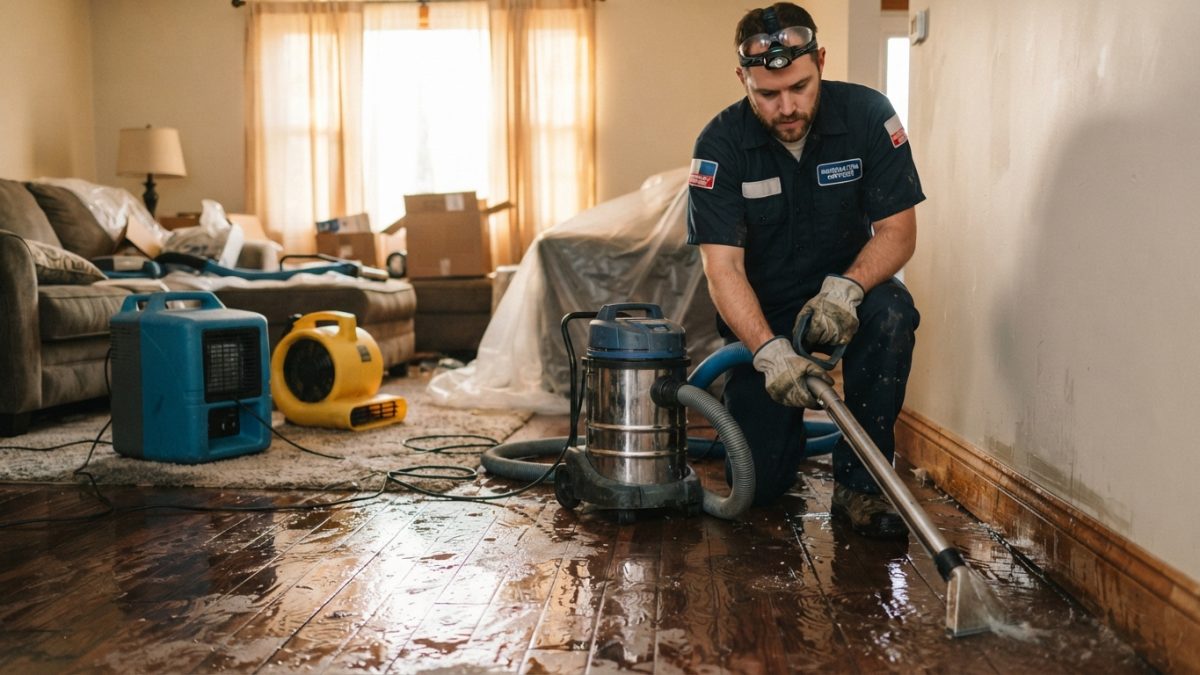
Restoration work generally follows a sequence of steps designed to address both visible water and the moisture hidden within walls, flooring, and insulation.
• Water extraction : Pumps and vacuums remove standing water from floors, carpets, and basements.
• Structural drying and dehumidification : Industrial air movers and dehumidifiers reduce moisture levels in building materials over several days.
• Sanitization : Affected surfaces are cleaned and treated to limit bacterial growth, particularly after sewage-related flooding.
• Damage documentation : Photos and moisture readings are recorded to support insurance claims and track drying progress.
Each stage matters because partially dried materials can trap moisture behind drywall or under flooring, creating conditions for mold long after a home appears dry on the surface.
Why Timing Affects the Outcome
Speed has a direct relationship with the extent of damage a water event causes. According to the EPA’s guidance on mold and moisture, wet materials should be dried within 24 to 48 hours to prevent mold growth, and any mold problem requires fixing the underlying water source before cleanup can be considered complete. This window is especially relevant in Portage, MI, where seasonal freeze-thaw cycles and heavy spring rainfall can contribute to pipe bursts and basement seepage in older housing stock.
Delayed response can also affect insurance outcomes. Many homeowner policies require documented proof that reasonable steps were taken to limit damage, which makes early extraction and drying records a practical, not just technical, concern.
Comparing Restoration Approaches
| Approach | Response Time | Drying Method | Documentation |
| DIY cleanup | Immediate but limited in scope | Fans, towels, open windows | Minimal or none |
| Partial professional service | Same day to 24 hours | Portable dehumidifiers | Basic photos |
| Full restoration process | Often within hours, 24/7 availability | Industrial drying equipment with moisture monitoring | Detailed readings for insurance claims |
A full restoration process tends to catch moisture in areas a homeowner cannot easily reach, such as subfloors and wall cavities, which reduces the likelihood of a secondary mold problem weeks later.
Business Info
Michigan-licensed plumbing and restoration providers operating in the region include Roto-Rooter Plumbing Service, which lists water extraction, structural drying, sanitization, and damage documentation among its residential offerings. Based in USA, this provider serves customers across Portage, MI, without maintaining a local office or branch in that service area.
Frequently Asked Questions
How soon should water damage restoration start after a flood or leak? Restoration work should begin as soon as it is safe to enter the affected area, since wet materials left untreated for more than a day or two create favorable conditions for mold growth.
Does homeowners insurance cover residential water damage restoration? Coverage depends on the specific policy and the source of the water, so homeowners should review their policy language or contact their insurer directly before assuming a loss is covered.
What is the difference between water removal and full restoration? Water removal addresses standing water on the surface, while full restoration also includes structural drying, sanitization, and documentation to confirm a home has returned to a safe, dry condition.
Can a homeowner handle minor water damage without professional help? Small, isolated incidents such as a minor appliance leak may be manageable with fans and dehumidifiers, but anything involving flooring, drywall saturation, or sewage should be evaluated by a trained technician.
Final Considerations
Residential water damage restoration works best as a timely, well-documented process rather than a reactive patch job, since hidden moisture left unresolved can lead to repeat problems. Homeowners who understand the extraction, drying, and sanitization stages are better positioned to ask informed questions when arranging service.
Homeowners researching water damage restoration options in the region can Learn More About Roto-Rooter Plumbing Service to review available services and current service area details.