At glance:
• Professional equipment rental covers everything from excavation and earthmoving machines to aerial lifts and compaction tools.
• A reliable provider supplies working, inspected equipment along with delivery, pickup, and operational guidance.
• Renting avoids ownership costs like storage, maintenance, and depreciation for short-term or one-time projects.
Anyone planning a construction, landscaping, or site-prep project in Danville, IN needs to know what separates a dependable rental process from a frustrating one. A professional operation delivers inspected, well-maintained machinery on schedule and provides the support needed to use it safely and correctly.
Most construction and property projects require equipment that is too costly or impractical to own outright, which is why professional Equipment Rental Services have become standard practice for contractors and homeowners alike. Renting shifts the burden of storage, maintenance, and depreciation away from the project owner and onto the rental provider, which keeps project budgets more predictable.
Core Equipment Categories to Expect
A full-service rental provider typically organizes inventory into functional categories so renters can match the right machine to the task at hand.
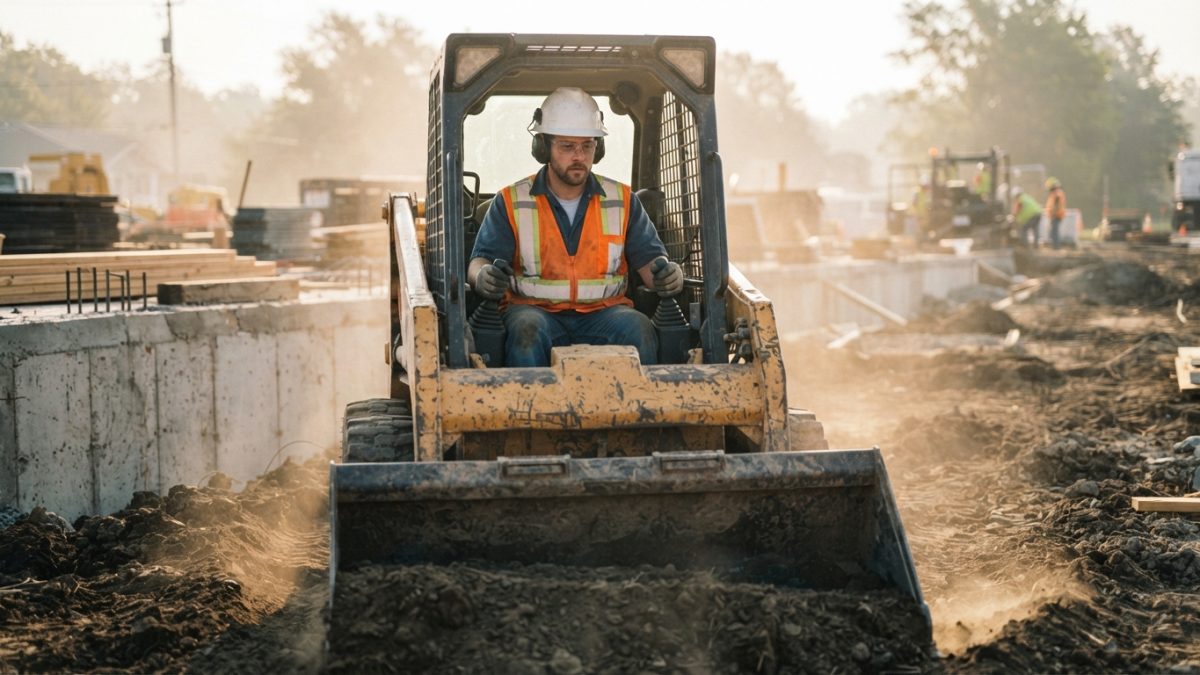
• Earthmoving and excavation : skid steers, mini excavators, and backhoes for grading, trenching, and site clearing.
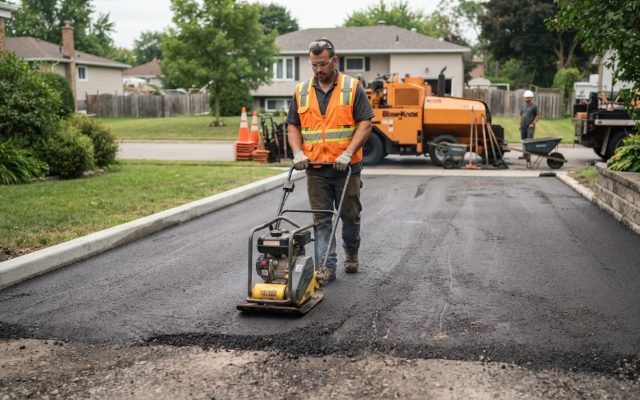
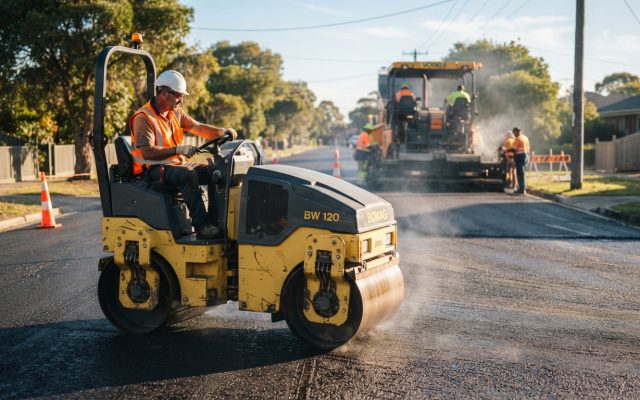
• Compaction equipment : plate compactors and rollers for soil and asphalt work.
• Aerial and material handling : boom lifts, scissor lifts, and forklifts for elevated or heavy-load tasks.
• Concrete and masonry tools : mixers, saws, and surface prep equipment for foundation and hardscape work.
Each category generally includes multiple size and capacity options, since a residential landscaping job and a commercial site development project call for very different machine specifications.
What a Rental Transaction Usually Involves
Renters moving through the process for the first time benefit from knowing the typical steps involved, since this reduces delays and miscommunication on project day.
1. Equipment selection based on project scope, terrain, and load requirements.
2. Availability confirmation for the requested rental window.
3. Delivery or pickup coordination , including site access details for larger machines.
4. Operational walkthrough covering safety features and basic controls.
5. Return inspection to confirm equipment condition at the end of the rental period.
Clear communication about project timelines matters most during peak construction seasons, when demand for certain machine categories rises and availability windows narrow.
Renting Versus Buying: A Practical Comparison
Deciding between renting and purchasing equipment depends on project frequency, budget, and storage capacity. The table below outlines the main tradeoffs.
| Factor | Renting | Buying |
| Upfront cost | Lower, pay-per-use | High initial investment |
| Maintenance responsibility | Typically handled by provider | Owner’s responsibility |
| Storage needs | None required | Requires dedicated space |
| Best for | Short-term or occasional projects | Frequent, ongoing equipment use |
For most residential projects and many contractors handling intermittent jobs, renting reduces financial exposure while still providing access to current, functional machinery.
Safety and Site Considerations in Danville, IN
Operators working in Danville, IN should factor in seasonal ground conditions, since spring thaw and heavy rainfall can soften soil and affect equipment stability on excavation or grading sites. Confirming utility locations before digging is also a standard precaution, and the Indiana 811 call-before-you-dig service helps property owners and contractors identify buried lines prior to starting work. Matching machine size to site access, including gate widths and overhead clearance, prevents delivery complications on tighter residential lots common in the area.
Renters should also verify that any required safety training or certification for specialized equipment, such as aerial lifts, has been completed before operation begins. A provider operating from Indianapolis, IN typically outlines these requirements during the rental agreement process so expectations are clear before equipment arrives on site.
Frequently Asked Questions
What documentation is typically needed to rent equipment? Most providers require a valid driver’s license or business identification, along with a signed rental agreement outlining usage terms and liability.
How far in advance should equipment be reserved? Reserving machinery one to two weeks ahead is common practice, particularly during spring and summer when construction activity increases.
Does rental pricing usually include delivery? Delivery and pickup fees are often separate from the equipment rental rate and depend on distance and machine size.
What happens if equipment malfunctions during a rental period? A professional provider typically offers repair or replacement support, since routine maintenance and functionality checks are part of standard service.
Business Information and Availability
Based in Indianapolis, IN, Temple Rents Inc. provides construction equipment rental services to customers throughout Danville, IN.
Customers seeking equipment rentals can Click Here to review available services, equipment options, and rental terms.