
At glance:
• A personal injury lawyer investigates claims, handles insurance negotiations, and represents injured people in court when needed.
• Common case types include vehicle collisions, slip and falls, dog bites, and workplace injuries.
• California generally allows two years from the date of injury to file a civil claim.
A personal injury lawyer helps someone who has been hurt because of another party’s negligence pursue financial compensation for medical bills, lost income, and related losses. This type of attorney handles investigation, insurance negotiation, and, when necessary, litigation on behalf of the injured person.
Residents who need a Personal Injury Lawyer are often dealing with the aftermath of a car crash, a fall on unsafe property, or another preventable accident. These situations usually involve layers of paperwork, insurance adjusters, and legal deadlines that are difficult to manage without guidance, especially while recovering physically.
Core Responsibilities of a Personal Injury Lawyer
A personal injury attorney’s work generally falls into several defined stages. Understanding each stage helps clarify what to expect after hiring representation.
• Case evaluation: Reviewing medical records, accident reports, and witness statements to determine whether a claim has merit.
• Evidence gathering: Collecting photos, surveillance footage, expert opinions, and documentation of damages.
• Insurance negotiation: Communicating directly with insurance companies to pursue a fair settlement.
• Litigation: Filing a lawsuit and representing the client in court if a settlement cannot be reached.
Each stage requires different skills, from document review to courtroom advocacy, which is why injury cases are rarely handled efficiently without legal support.
Types of Cases Personal Injury Lawyers Typically Handle
Personal injury law covers a range of situations where one party’s carelessness causes harm to another. The most frequently handled categories include:
1. Motor vehicle accidents, including car, motorcycle, and truck collisions
2. Pedestrian and bicycle accidents
3. Slip and fall or other premises liability incidents
4. Dog bites and animal attacks
5. Workplace injuries and workers’ compensation disputes
6. Wrongful death claims
| Case Type | Common Cause | Typical Evidence Needed |
| Motor vehicle accident | Distracted or reckless driving | Police report, vehicle damage photos |
| Slip and fall | Unsafe property conditions | Incident report, maintenance records |
| Dog bite | Owner negligence or lack of restraint | Medical records, witness statements |
| Workplace injury | Unsafe conditions or equipment failure | Incident log, safety inspection records |
Why Timing Matters After an Injury in Fresno, CA
Anyone living in Fresno, CA who has been injured faces a legal clock that starts ticking from the date of the incident. In California, the standard filing deadline for most personal injury lawsuits is two years from the date of injury under Code of Civil Procedure section 335.1, as outlined in the California Courts self-help guidance. Missing this window generally eliminates the ability to pursue compensation through the courts, regardless of how strong the underlying claim may be.
Several factors can affect this timeline:
• Claims against a government entity often require a separate administrative notice filed much sooner than two years.
• Cases involving delayed injury discovery may have an adjusted start date for the countdown.
• Property damage claims tied to an accident can carry a three-year deadline.
Because these exceptions are fact-specific, confirming the applicable deadline early in the process helps avoid losing the right to file.
What to Expect When Working With an Attorney
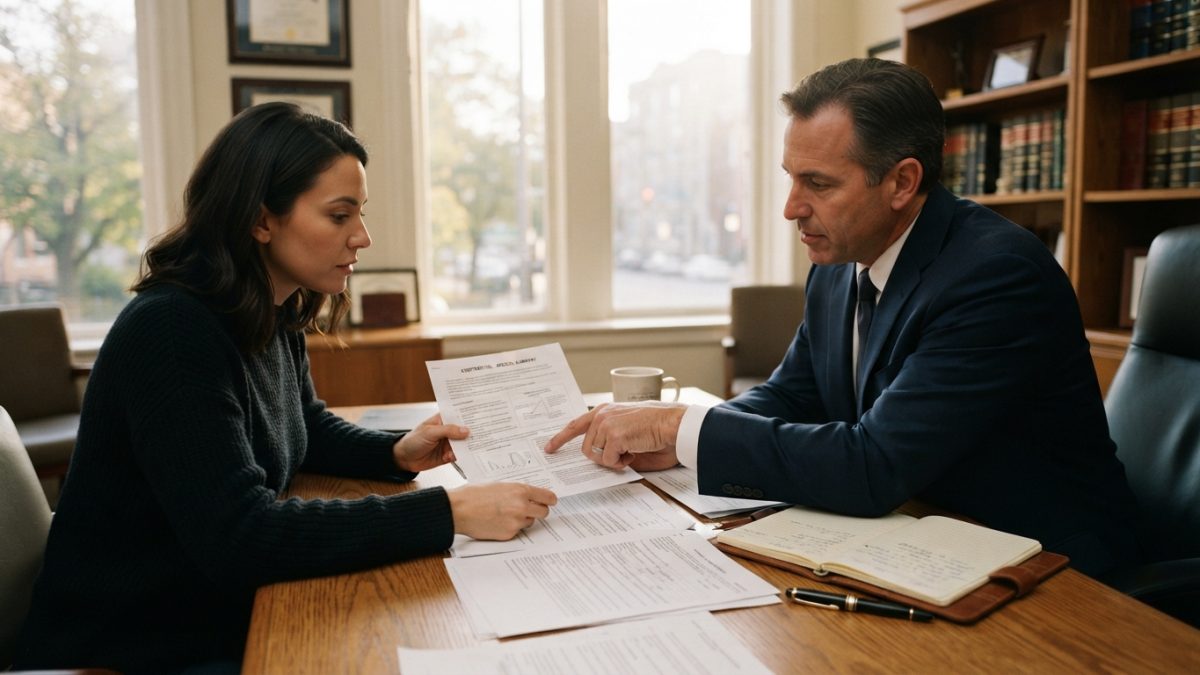
Most personal injury attorneys begin with a case review before any formal agreement is made. During this stage, clients typically learn whether their claim is viable and what documentation will be needed moving forward.
• Initial consultation and case assessment
• Collection of medical bills, wage loss records, and accident documentation
• Communication with insurance adjusters on the client’s behalf
• Settlement negotiation or, if unresolved, preparation for trial
Fee arrangements in this field are commonly structured on a contingency basis, meaning payment is tied to the outcome of the case rather than billed hourly up front. Confirming fee structure and communication expectations during the first meeting helps set a clear framework for the case.
Frequently Asked Questions
How long does a personal injury case usually take to resolve? Timelines vary widely depending on the complexity of the injury, the clarity of liability, and whether the case settles or proceeds to trial.
Do I need a lawyer for a minor injury claim? Even smaller claims can benefit from legal review, since insurance companies may undervalue injuries that have long-term effects.
What documents should I bring to an initial consultation? Medical records, accident or police reports, photos of the scene, and any correspondence from insurance companies are typically helpful starting points.
Can I still file a claim if I was partly at fault? California follows a comparative negligence system, which can allow recovery even when the injured party shares some responsibility, though it may reduce the final award.
Business Information and Next Steps
Based in the USA, Davis & Van Wagenen Law serves clients throughout Fresno, CA, who are seeking guidance following an accident or injury.
Click here to find additional published details about the firm’s local service area and related case information.