
The gist:
- Online Radiation Safety Officer training lets employers meet regulatory responsibilities for radiation-use facilities without disrupting work schedules.
- Web-based courses typically combine self-paced modules with practical exams and completion documentation for compliance files.
- Choosing an accredited provider helps confirm coursework aligns with current federal and state radiation protection standards.
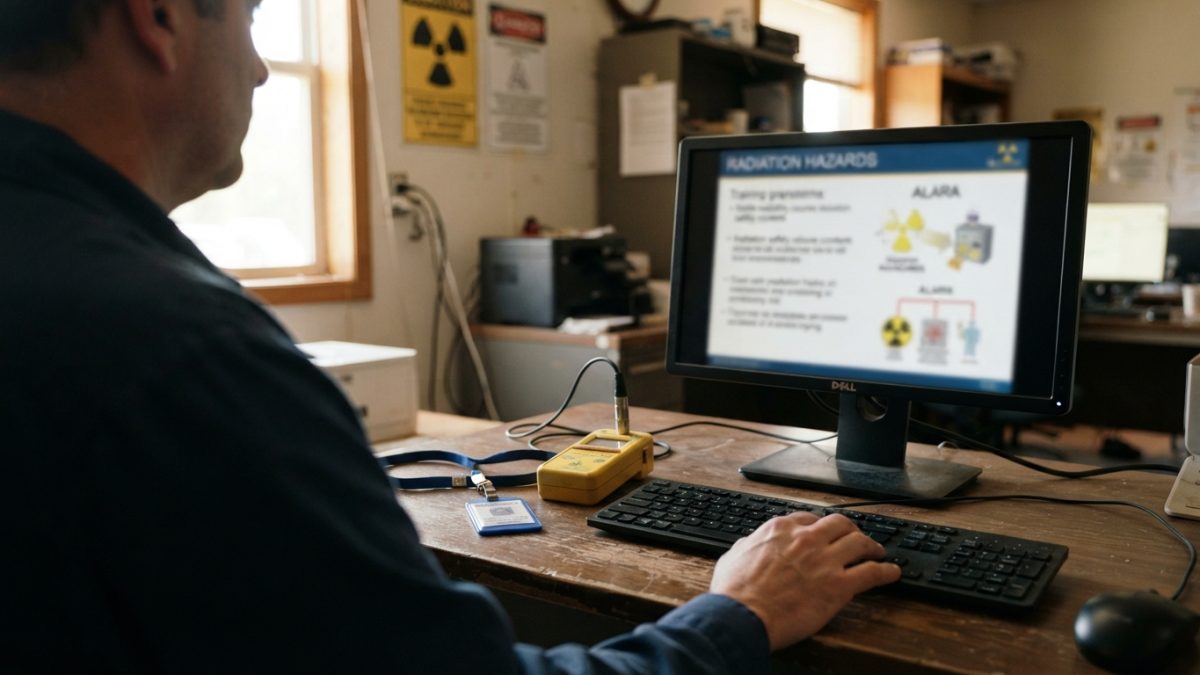
Employers responsible for radiation-producing equipment need a qualified Radiation Safety Officer on staff, and online coursework provide a practical way to get personnel trained without pulling them off-site for days. This format fits organizations managing diagnostic imaging units, industrial gauges, or research isotopes where staff availability is limited.
Facilities evaluating their options often find that AEC RSO Radiation Safety Training provides the flexibility needed to train designated staff while keeping daily operations running. Rather than scheduling an entire department around a single in-person session, employers can assign coursework around shift patterns and equipment demands. This approach tends to reduce the administrative friction that comes with coordinating multi-day classroom training.
Why Employers Choose Web-Based RSO Training
Organizations select online formats for several practical reasons tied to staffing, budget, and compliance timelines.
- Flexible scheduling: Staff complete modules between patient appointments, equipment checks, or production runs instead of blocking out full workdays.
- Lower travel costs: Remote training removes airfare, lodging, and per diem expenses tied to sending employees to a physical classroom.
- Faster onboarding: New hires or backup officers can start coursework shortly after being designated, rather than waiting for the next scheduled in-person class.
- Consistent documentation: Digital platforms generate completion records and certificates that are easier to file and retrieve during audits.
These advantages matter most for smaller clinics, dental offices, and industrial sites where only one or two employees need RSO-level knowledge.
Regulatory Context Employers Should Understand
Radiation safety officer duties are grounded in federal and state licensing requirements that vary by the type of radioactive material or equipment in use. The Nuclear Regulatory Commission’s guidance on radiation safety officer qualifications outlines the training and experience expectations agencies review when approving license applications. Employers should confirm that any online program addresses the specific isotope or equipment category named on their license, since generic courses may not satisfy a state agency’s documentation request.
Because licensing bodies can request proof of training content and hours, employers should keep records showing:
- Course provider name and accreditation basis
- Hours completed and topics covered
- Exam or assessment results
- Certificate or completion date
Maintaining these records in one place simplifies renewal applications and inspection responses.
Comparing Training Formats
Employers weighing delivery methods often compare cost, time commitment, and recordkeeping ease side by side.
| Factor | Online Training | In-Person Training |
|---|---|---|
| Scheduling flexibility | High, self-paced modules | Low, fixed class dates |
| Travel/lodging cost | None | Often required |
| Hands-on equipment practice | Limited, varies by provider | Typically included |
| Documentation turnaround | Immediate digital certificate | Mailed or delayed certificate |
Some employers choose a hybrid approach, using online coursework for theory and a short in-person session for hands-on instrument calibration or survey practice.
Practical Steps for Rolling Out Online Training
A clear internal process helps employers get full value from web-based coursework.
- Identify which employees need designation as a Radiation Safety Officer or backup officer.
- Confirm the course content matches the facility’s license category and equipment type.
- Set an internal deadline that allows time for review before license renewal dates.
- File completion certificates alongside other radiation safety program documentation.
Following these steps reduces last-minute scrambling when a license renewal or inspection is scheduled.
Frequently Asked Questions
Who typically needs Radiation Safety Officer training? Facilities operating x-ray machines, nuclear medicine equipment, industrial gauges, or research isotopes generally need a designated RSO or backup officer named on their license.
Can online training satisfy state licensing requirements? Many state agencies accept online coursework if it covers the required topics and hours, but employers should verify acceptance with their specific licensing authority before enrolling staff.
How long does online RSO training usually take? Course length varies by provider and the complexity of materials or equipment covered, so employers should check the specific program’s time estimate before scheduling staff.
What documentation should employers keep after training? Completion certificates, exam results, and a record of topics covered should be filed with the facility’s radiation safety program documentation for audit readiness.
AEC RSO Radiation Safety Training supports facilities with radiation protection program guidance, officer training resources, and compliance-focused coursework designed for clinics, industrial sites, and research settings. Employers weighing their training options can review program details or Contact AEC RSO Radiation Safety Training to discuss which coursework fits their license category and staffing needs. Taking this step early gives facilities more room to address questions before a renewal deadline arrives.